
 ≈ 4 min

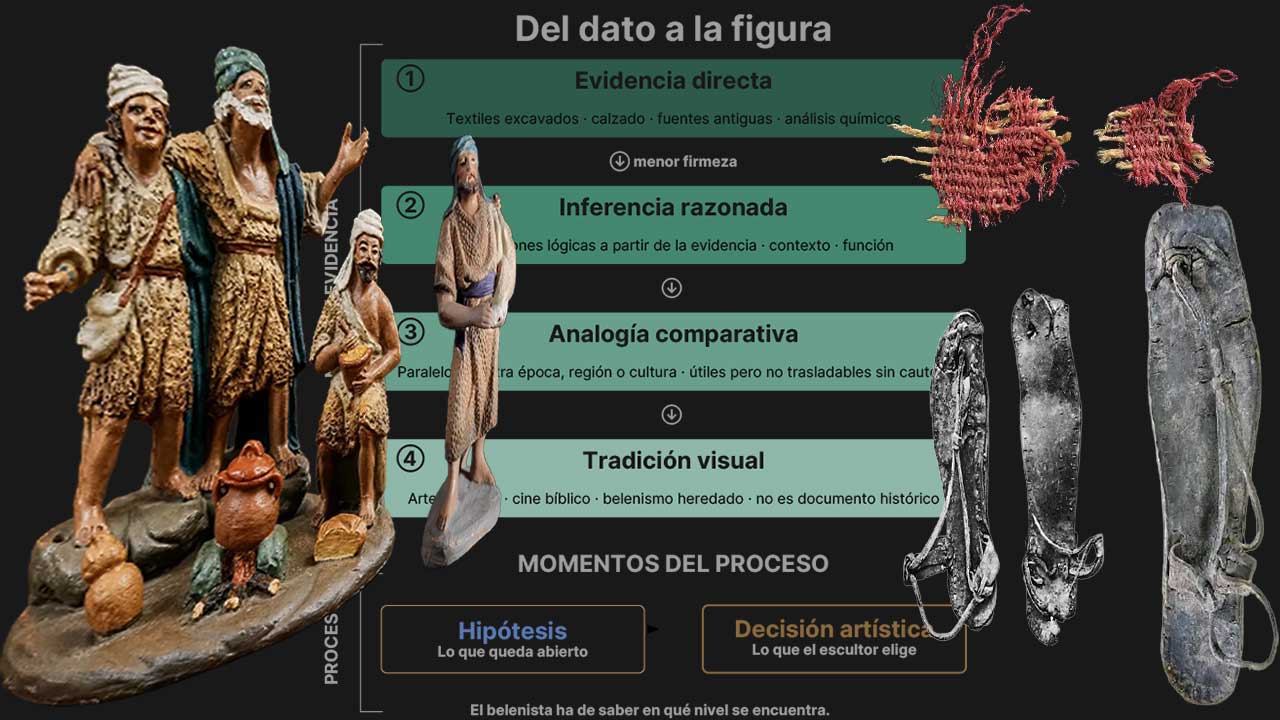
The biblical figure changes when we stop repeating an inherited image and ask where it comes from.
Clothing is not added to the figure at the end.
It begins in the material, the climate, the trade and the evidence.
This block studies the clothing of first-century Judaea and Galilee with a specific purpose: to turn the available documentation into reasoned sculptural decisions for the figures of the Nativity cycle.
The route begins by setting the method: what we know, where each statement comes from and what limits it has. It then follows the material chain —fibres, spinning, weaving, dyes and garments— until it reaches the volume, the colour, the ornament, the hairstyle and the visible gesture of the figure.
The research distinguishes between direct evidence, reasoned inference, comparative analogy and visual tradition. When the information does not allow a firm answer, the limit is declared instead of being turned into certainty.
Forty articles · Five stages
The route moves from method and material to colour, garments and the visible decisions of the figure.
What each source can prove, what limits it keeps and how knowledge becomes sculptural judgement.
The biblical figure changes when we stop repeating an inherited image and ask where it comes from.
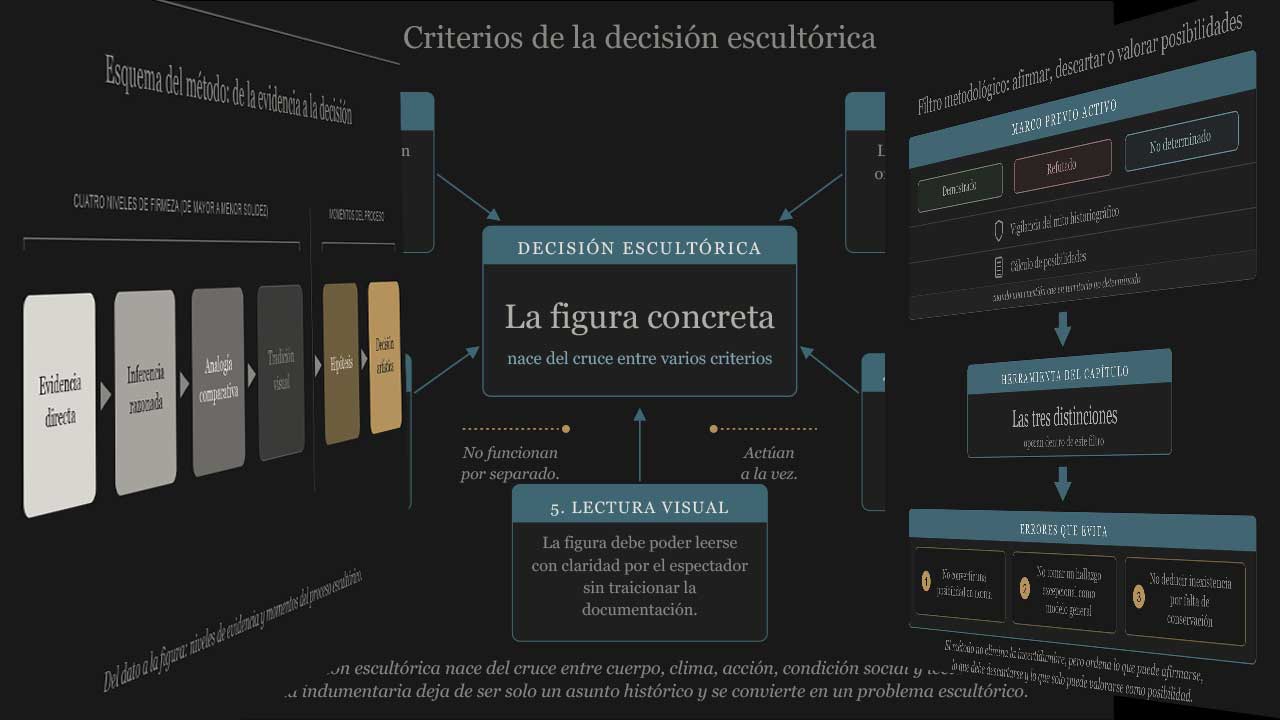
Between the find and the figure there are decisions that no datum can take on its own.
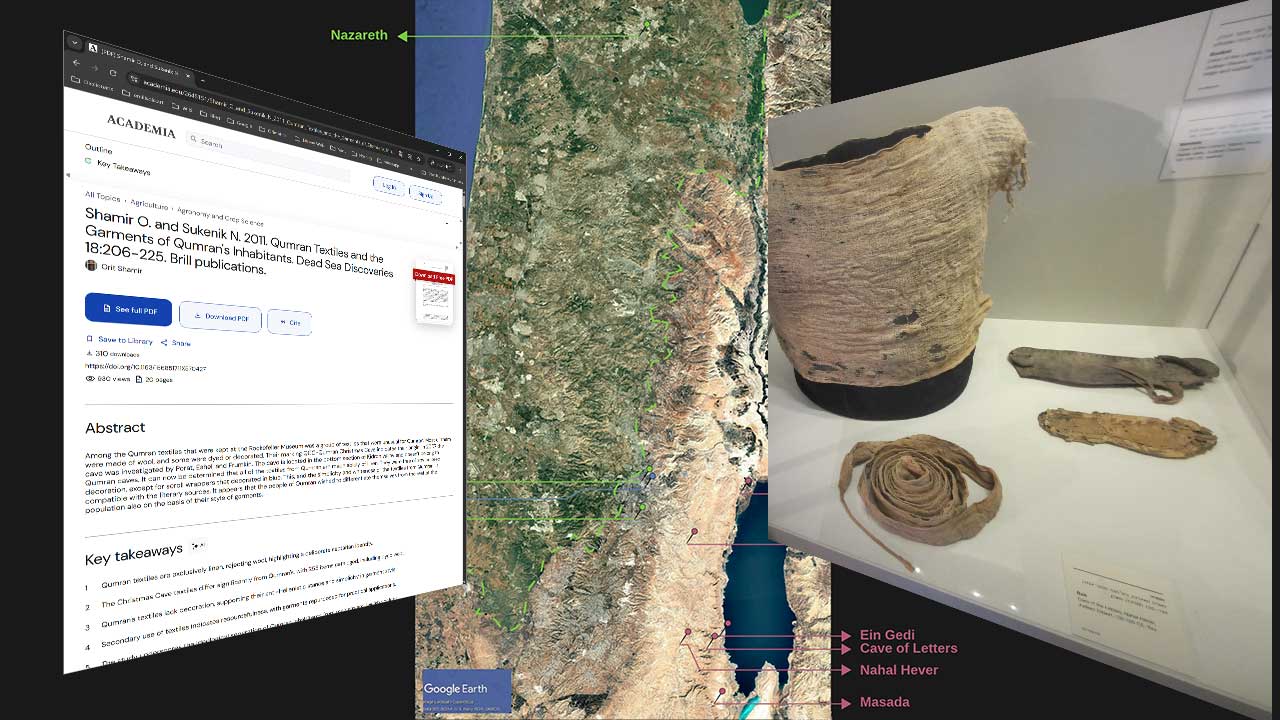
The evidence is abundant, but it never delivers a complete wardrobe: it obliges us to distinguish certainty, inference and void.
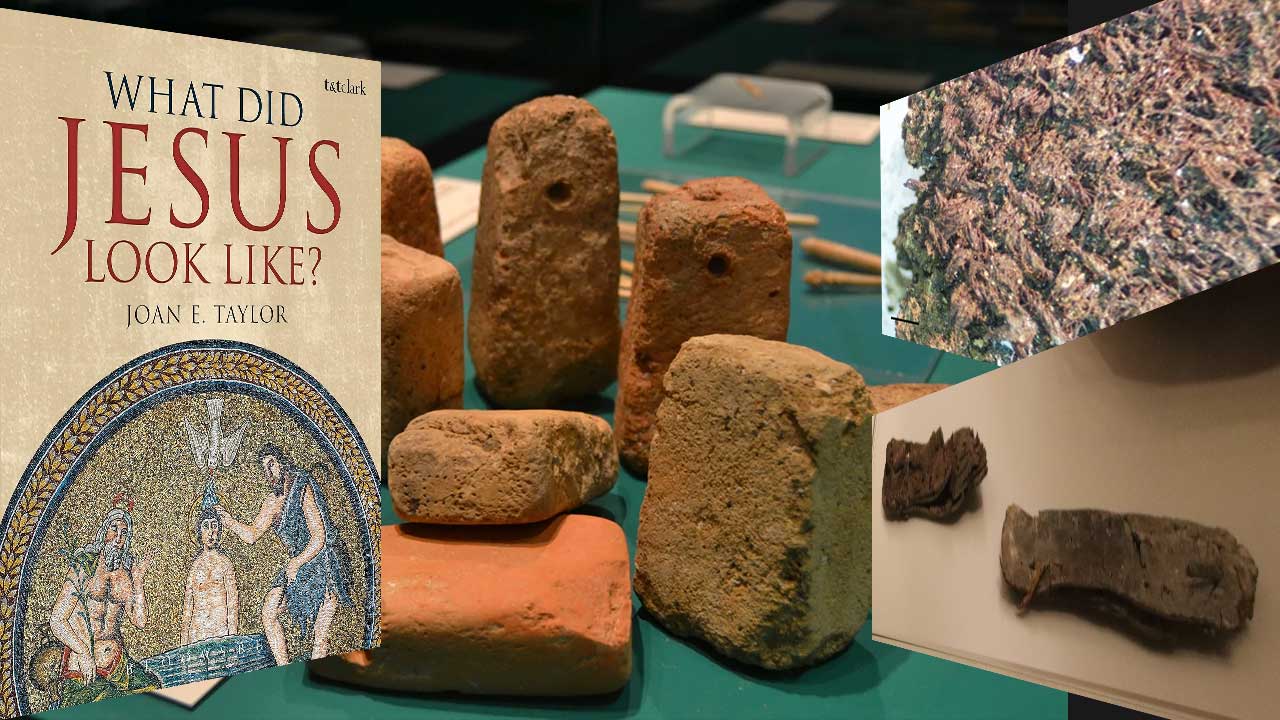
A fragment proves fibres and techniques; it does not reveal on its own who wore it or how.
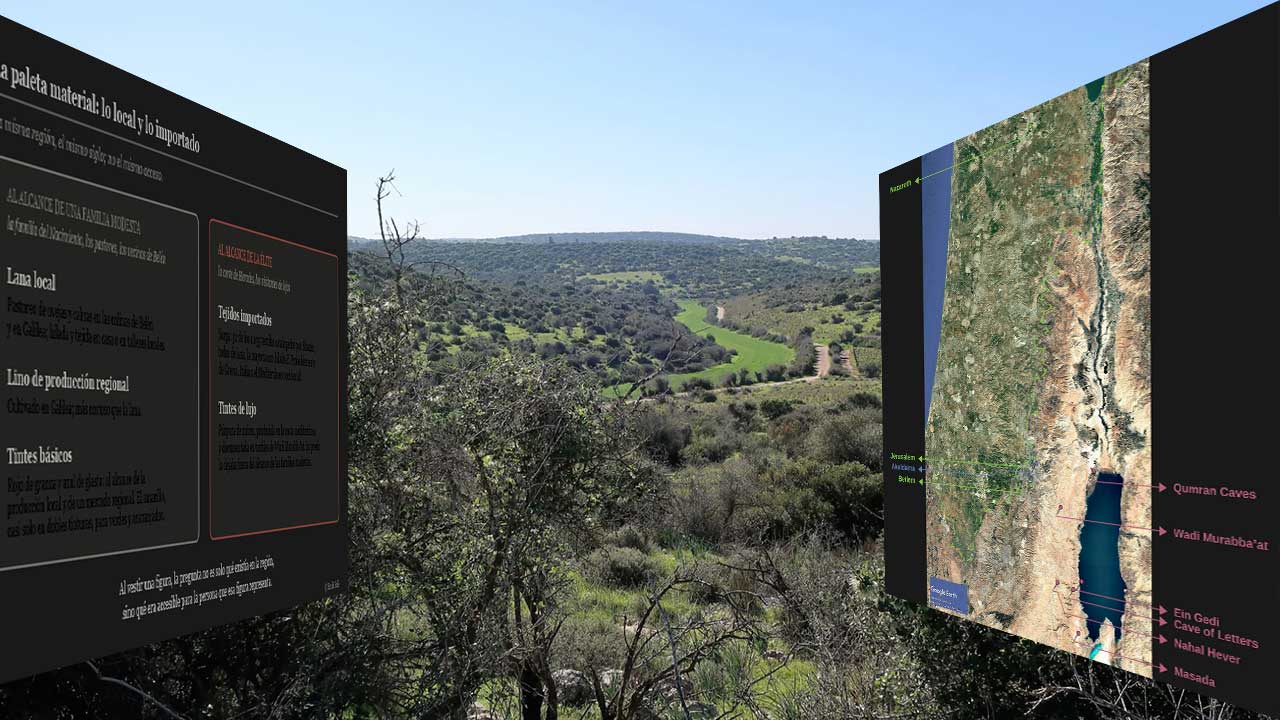
The textiles survived far from Bethlehem: understanding that distance changes everything we can assert.
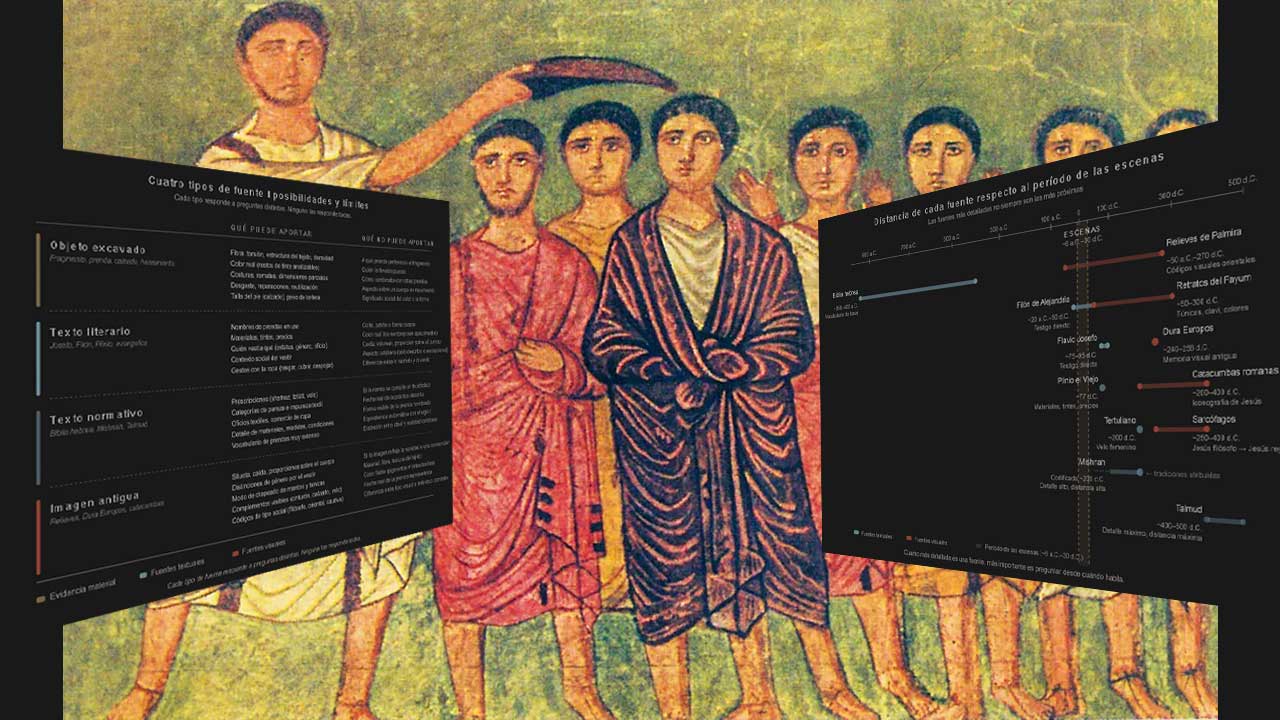
Objects, texts and images speak with different voices; rigour begins by not asking the same of them.
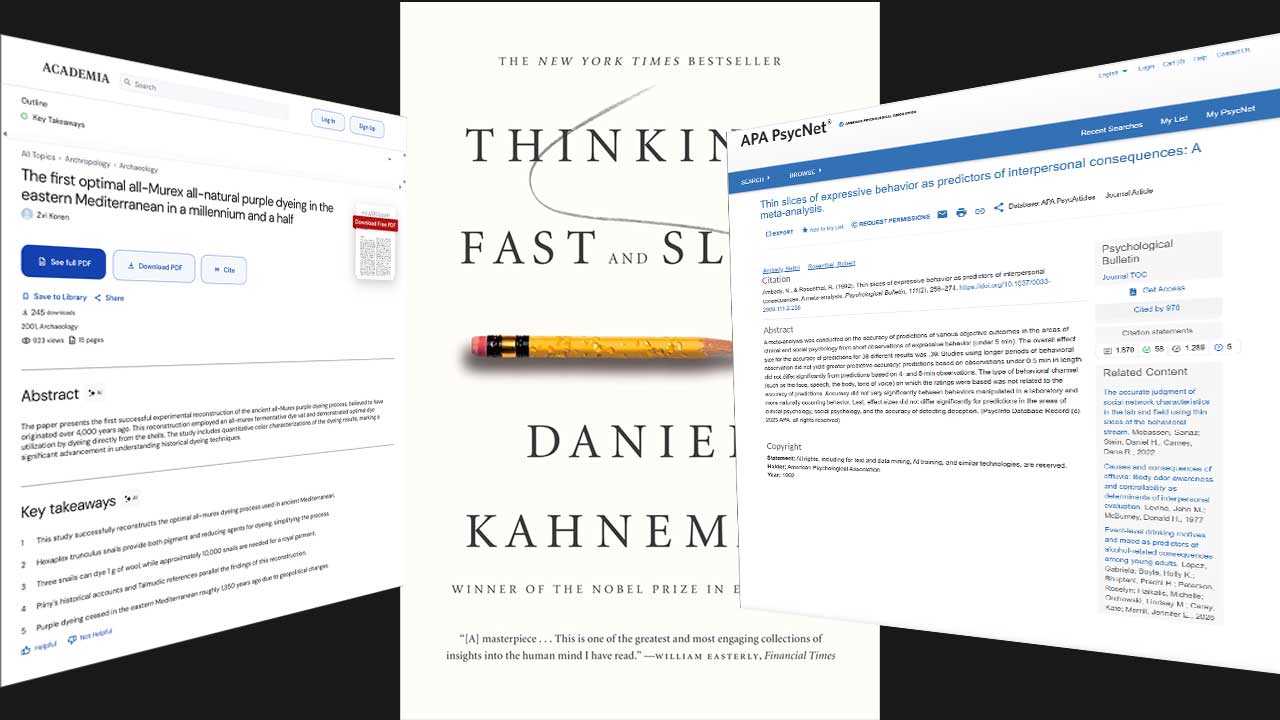
The variety of a scene does not come from many garments, but from how each body needs them.
The fibre is born of the land and passes through gestures, tasks and decisions before it becomes cloth.
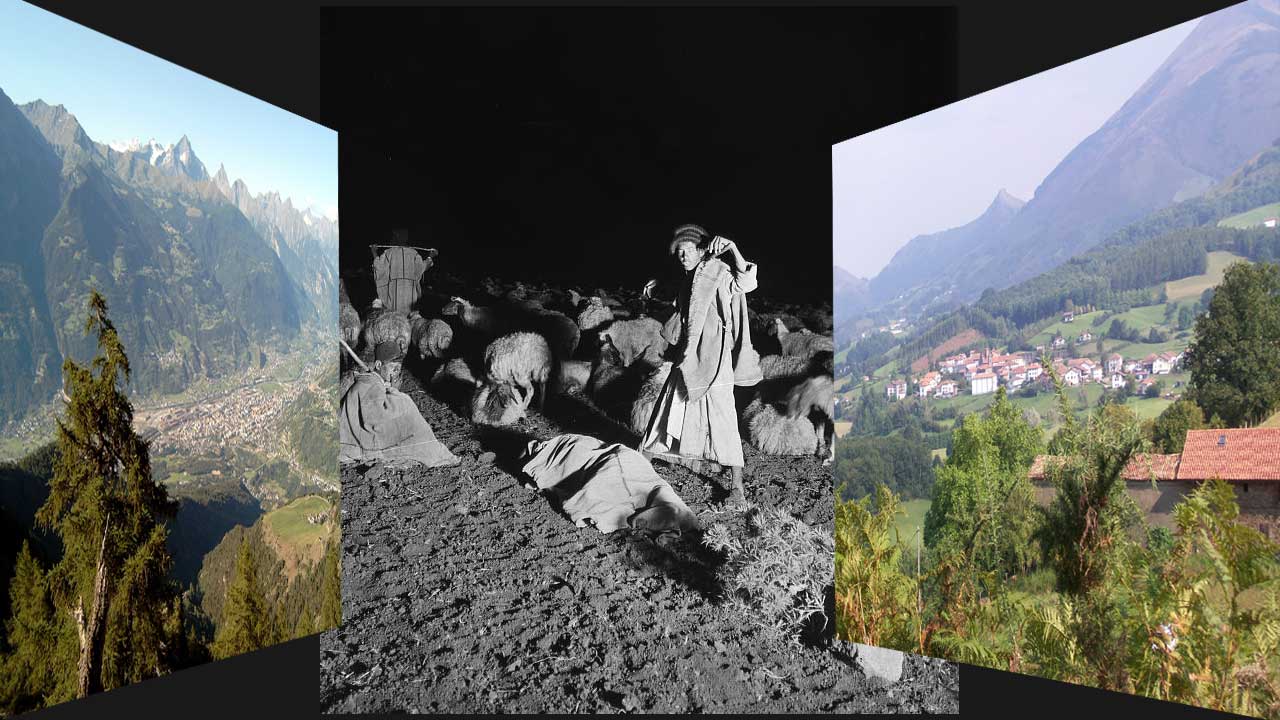
Material does not begin at the loom: it begins in the climate, the animal, the plant and the gesture that separates it.
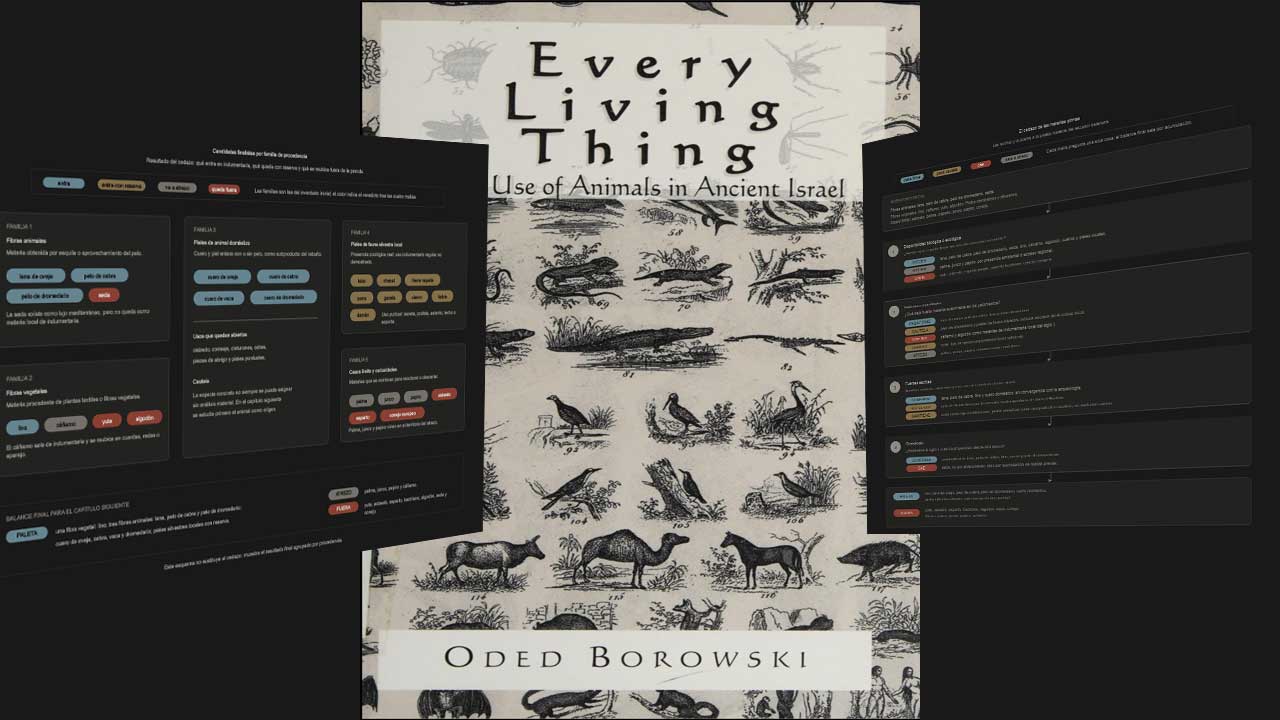
Before choosing a fibre, it has to be passed through four sieves: territory, archaeology, texts and time.
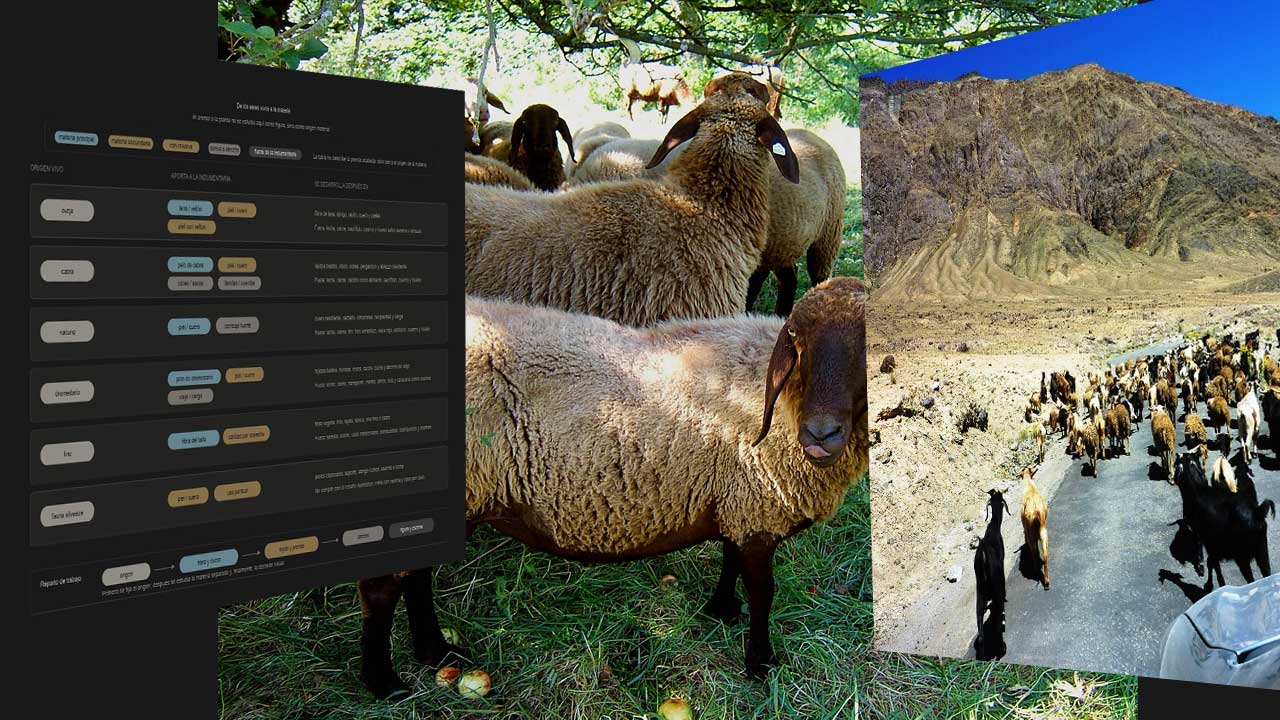
Sheep, goat, cattle and dromedary contribute different materials; none of them enters yet as a figure.
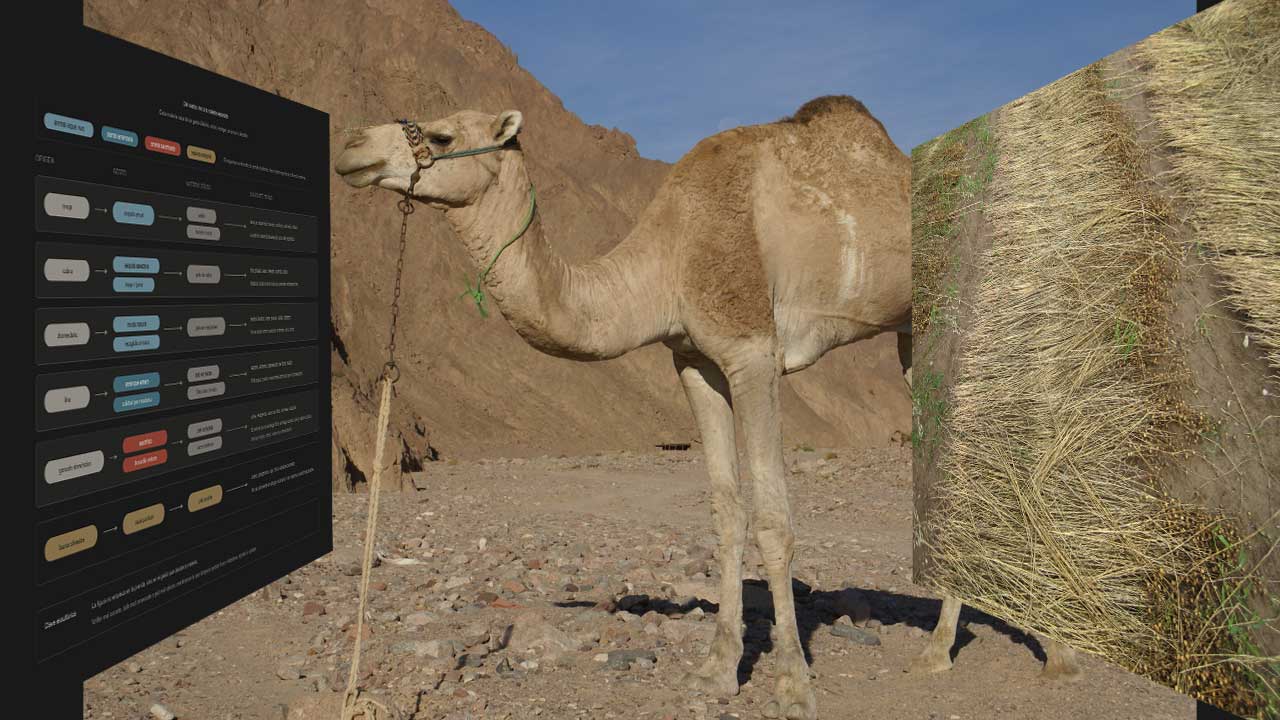
Shearing, gathering, pulling up or flaying: each material begins with a gesture that already tells a story.
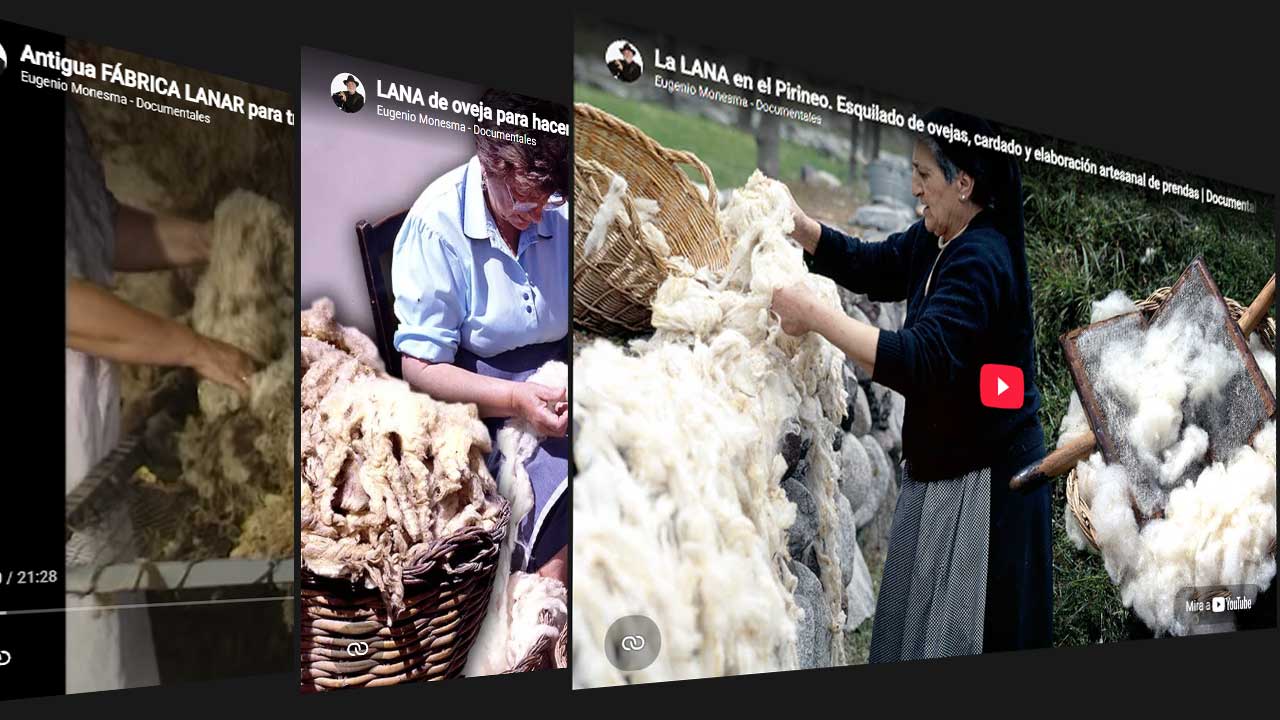
Wool is not a generic substance: preparation, thickness, twist and use change its sculptural fall.
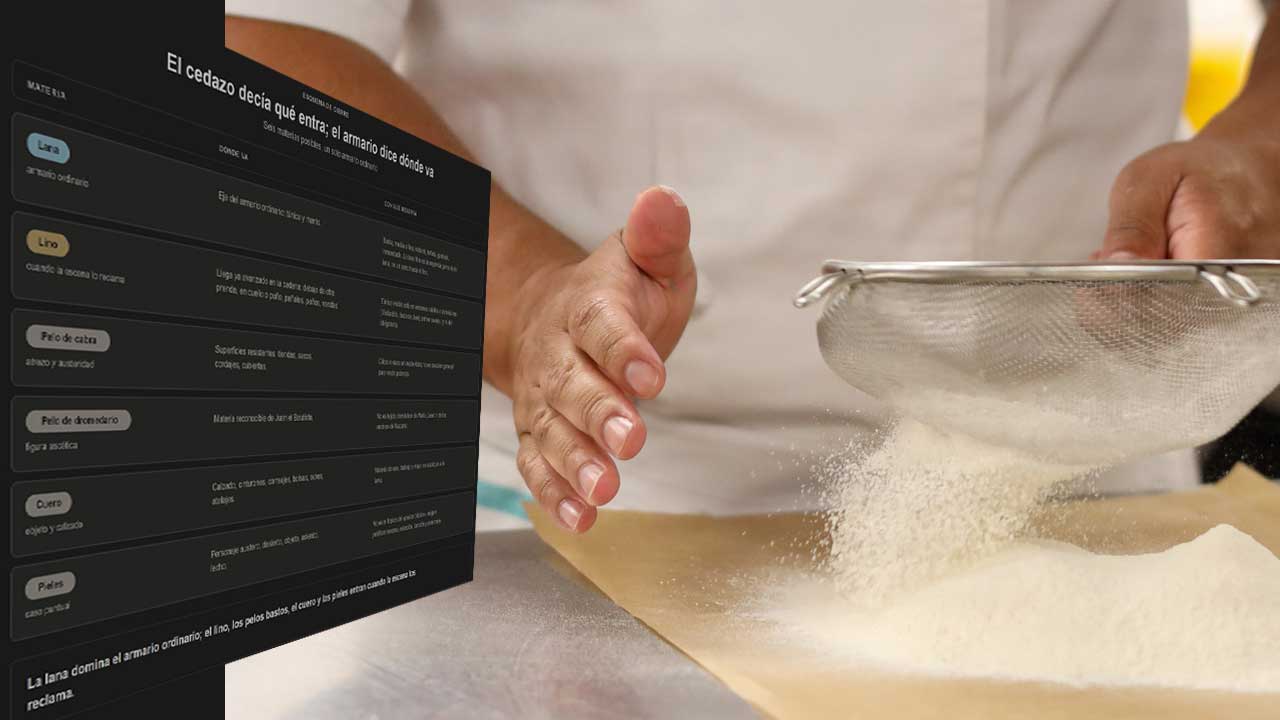
That a material existed is not enough: it still has to show that it can become a convincing garment.
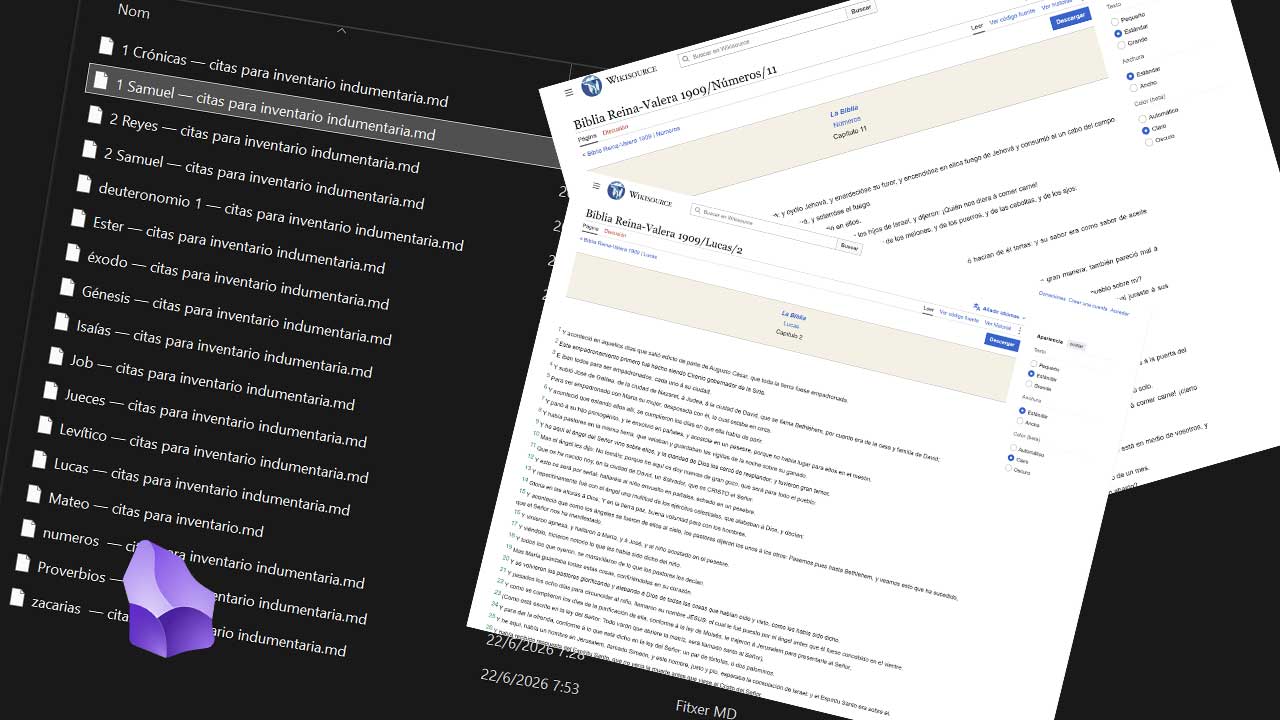
Biblical words change garment when the translation changes; that is why every quotation needs a control text.
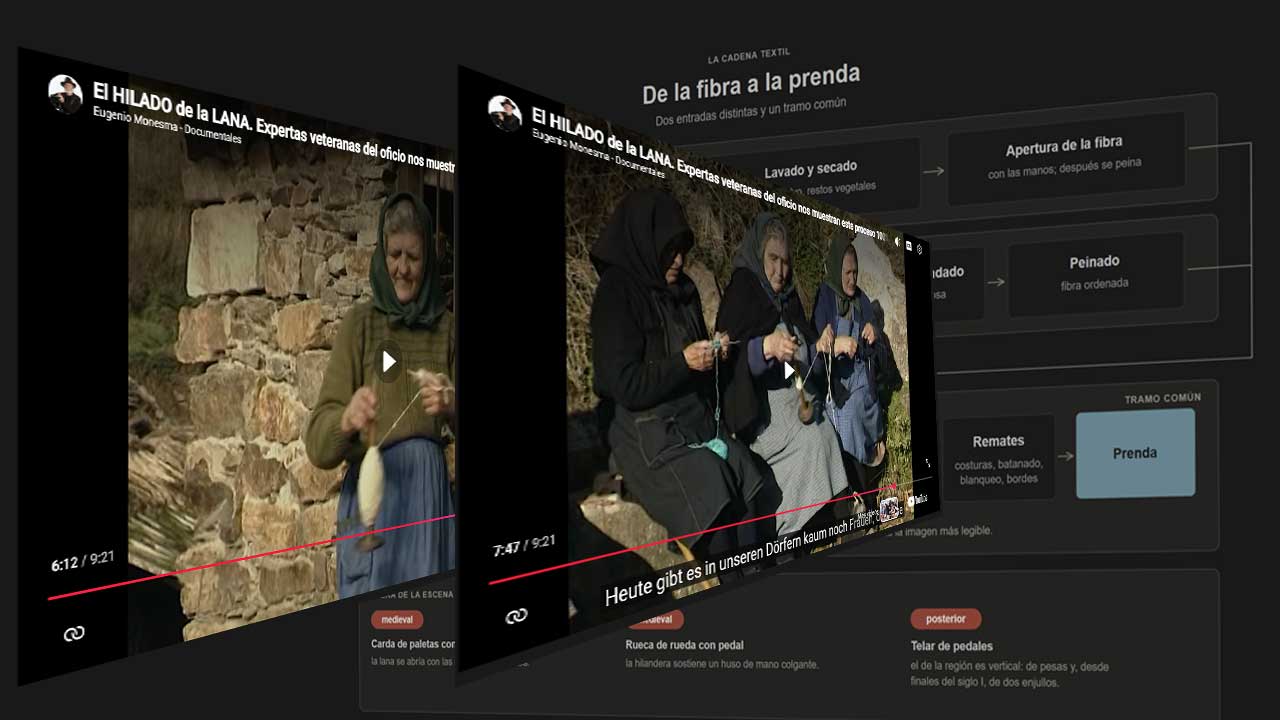
Between fibre and garment lies a chain of tasks that can enter the scene without turning into scenery.
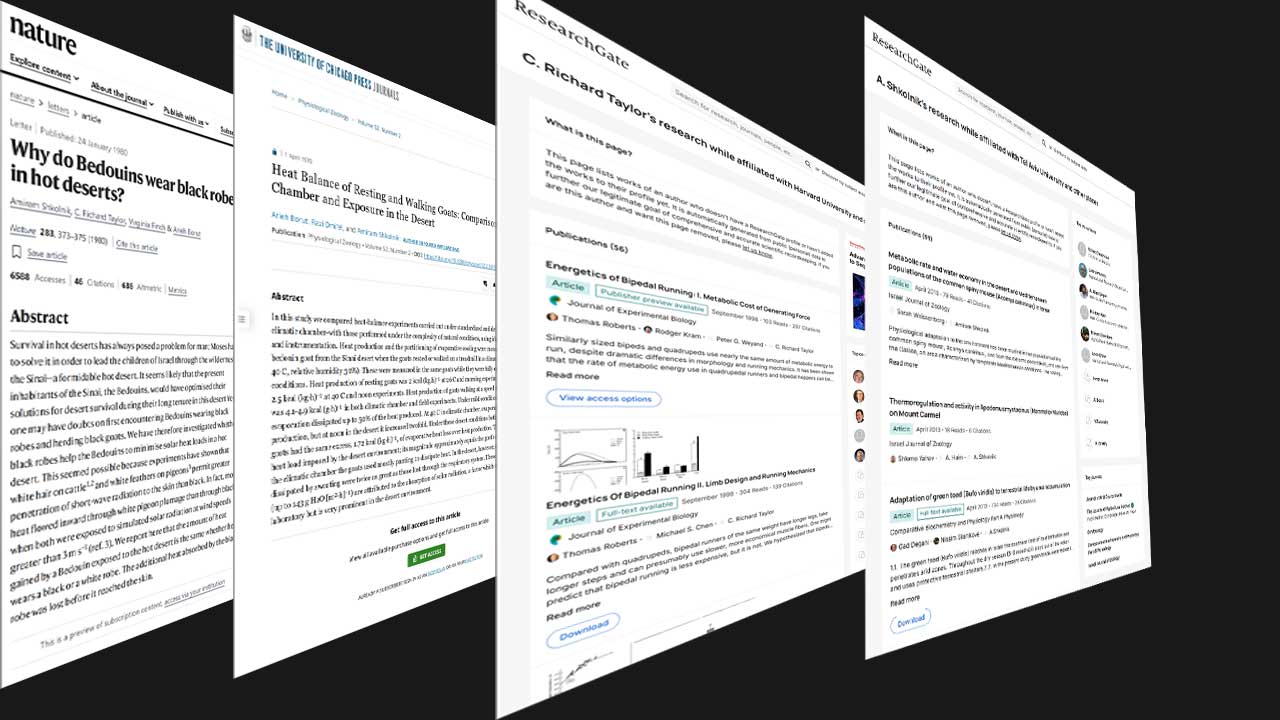
Colour does not simply appear: it is manufactured with material, time, water, craft and cost.
Dyes, colours, looms and surviving fragments set the bounds of the material appearance of the garments.
The articles of this stage will be published later.
Tunic, outer garment, headcovering, belt and footwear are studied as forms activated by the body.
The articles of this stage will be published later.
Problematic garments, finishes and personal appearance turn the repertoire into a complete decision.
The articles of this stage will be published later.
