
 ≈ 3 min
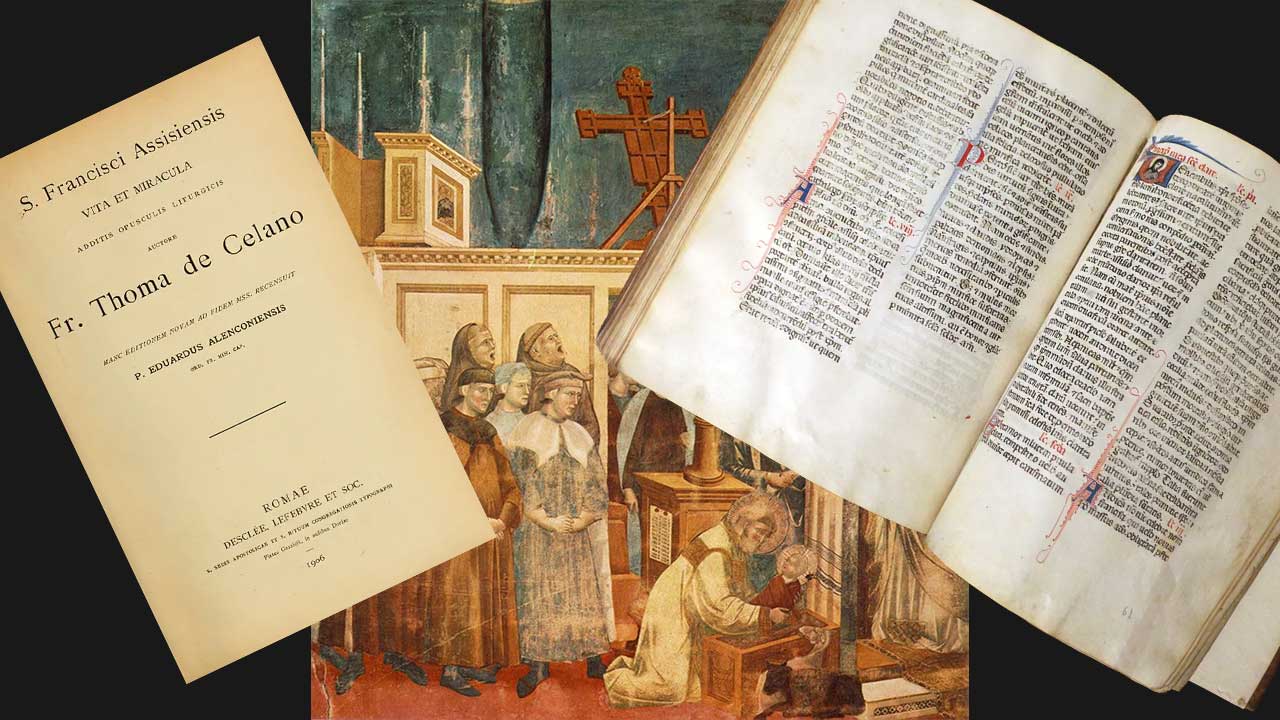
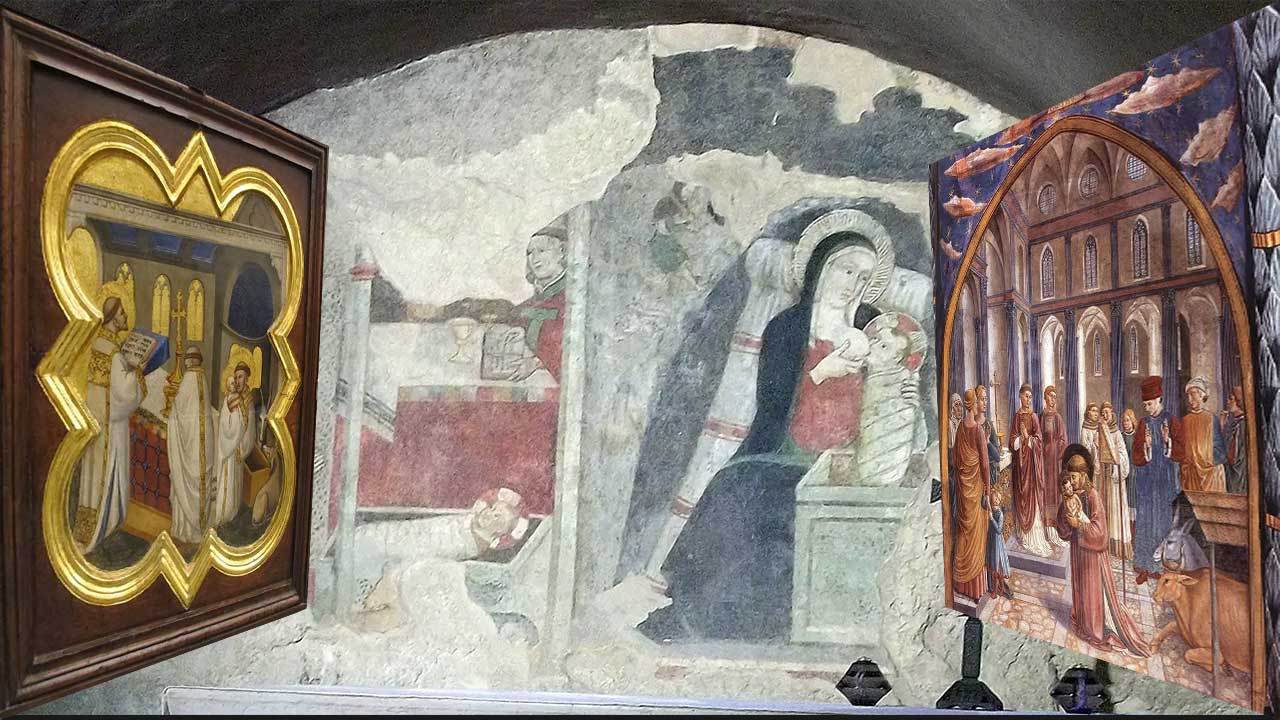
Greccio, 1223: what was prepared, what Francis said he wanted and what Celano and Bonaventure say happened.
Everyone knows that the nativity scene began with Francis of Assisi, at Greccio, on Christmas Eve 1223, and hardly anyone has asked why he did it. This block starts there: it reads the two texts that tell of that night and looks in them for one thing only, what was intended and what happened. Then it asks what happens to someone who stands before a scene of the Nativity, and what the world that was born of that night is made of: not only nativity scenes, but modes, people, customs and values around a theme. Only with that in front of us does it make sense to ask about the word — which exists in two of the six languages of this Manual— and to give a definition: making the Nativity present so as to move.
The last three chapters add nothing to that definition: they put it to the test. Against what someone searching for the word receives today — search engines, assistants and the open encyclopedia—, against the law that in Spain declares belenismo intangible heritage, and against the practice of whoever composes a scene and decides whom it represents. The order is that of the question, and each chapter sets down where it can be argued with.
Eight articles · Three stages
The order follows that of the question: what was intended the first time, what a scene does to whoever looks at it and what its world is made of; then, how it is named and how it is defined; and finally, the definition put to the test against those who define today, against the law and against practice.
What the first nativity scene was made for, what a scene of the Nativity conveys and what the world born of that night is made of.
Greccio, 1223: what was prepared, what Francis said he wanted and what Celano and Bonaventure say happened.
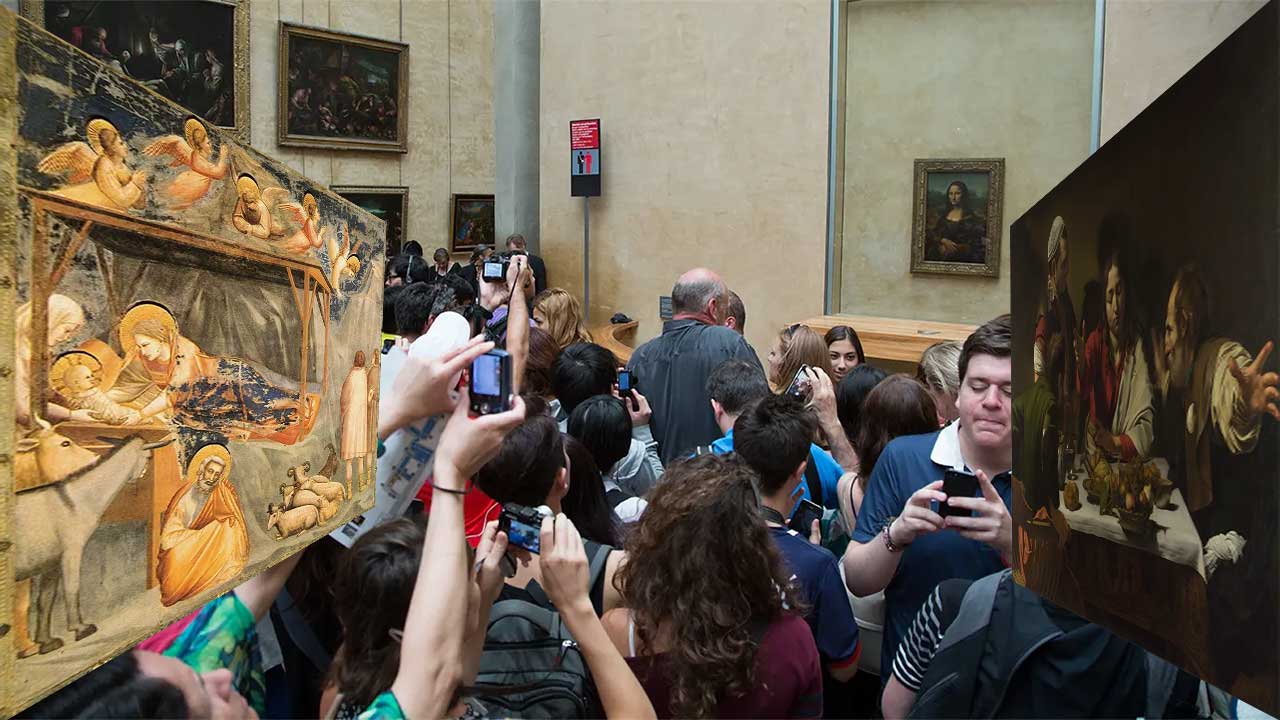
What happens to someone standing before a scene of the Nativity: they do not receive information, they recognise what they already knew.
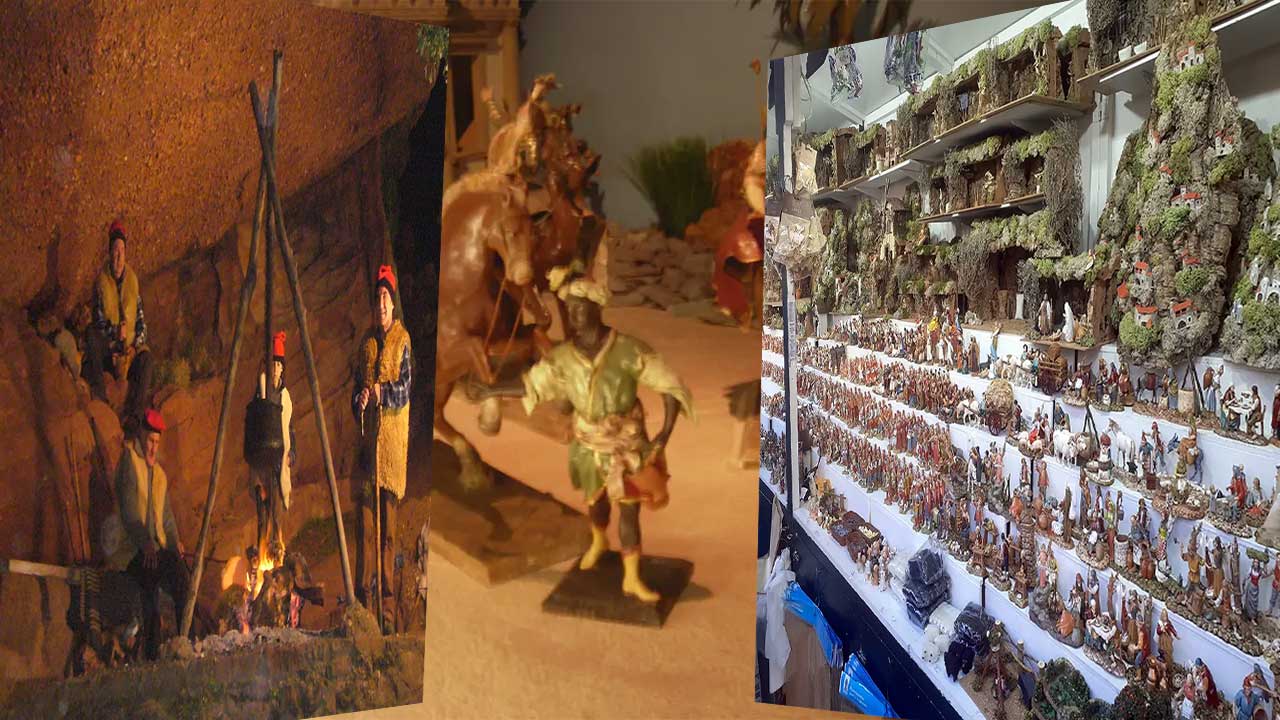
What it is made of besides nativity scenes: works, modes, people, tradition and values around a theme.
What the word names and in which languages it exists, and the definition this Manual works with.
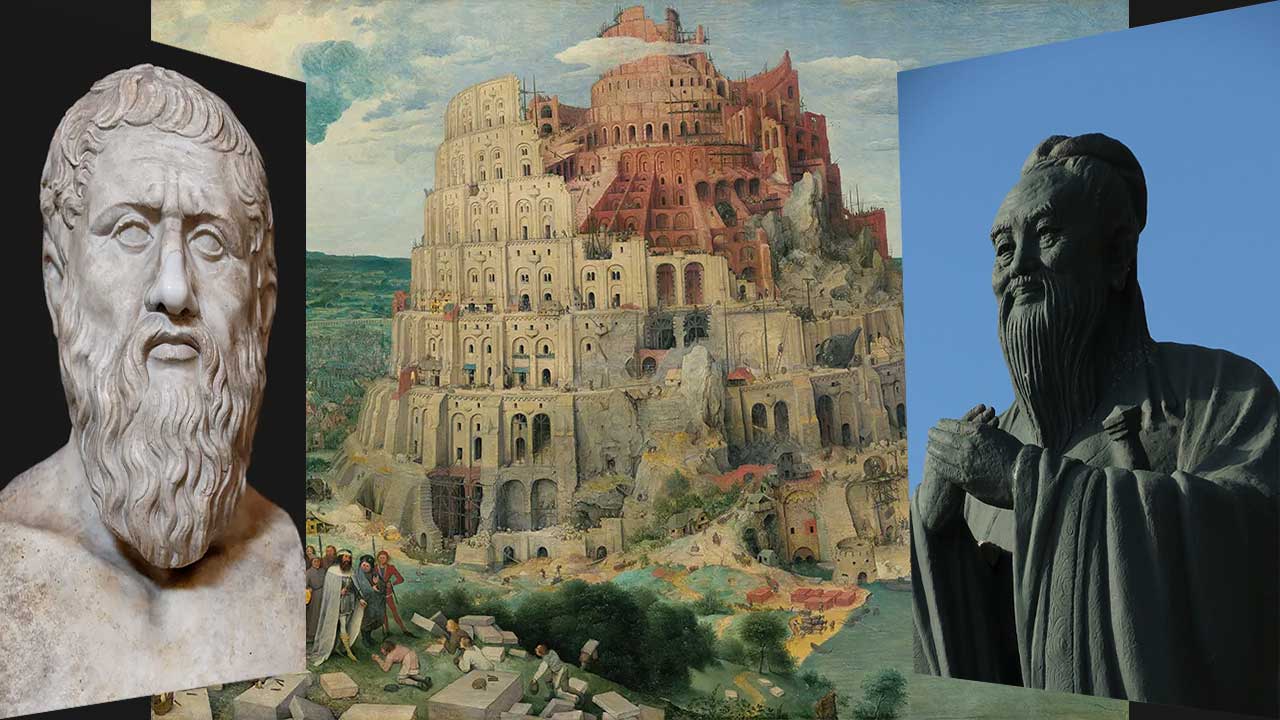
The word exists in only two of the Manual's six languages: what it names where it exists, since when, and what is done where it does not.
The definition this Manual works with, word by word, tested against five cases and twelve conditions.
The definition, against those who define nativity-scene art and practice today, against the law that declares it heritage and against the practice of whoever composes a scene.
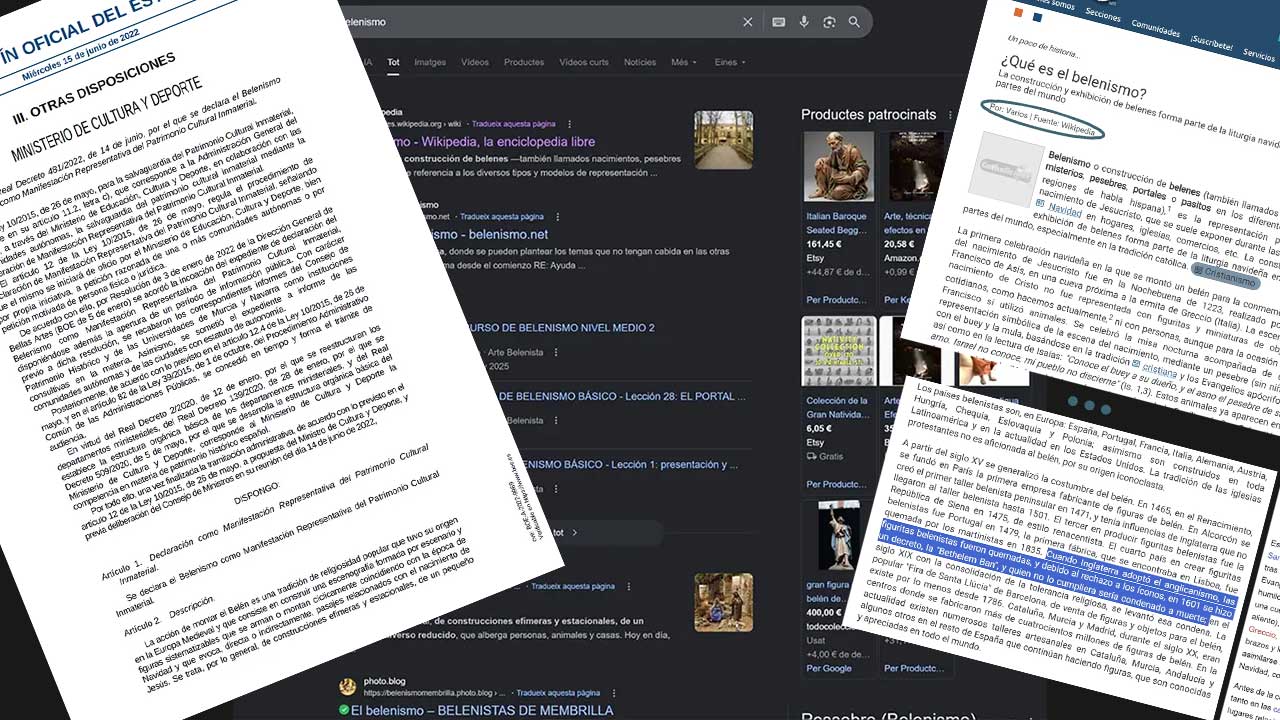
What someone searching for the word receives today: search engines, assistants and the open encyclopedia, with their errors and the correction alongside.
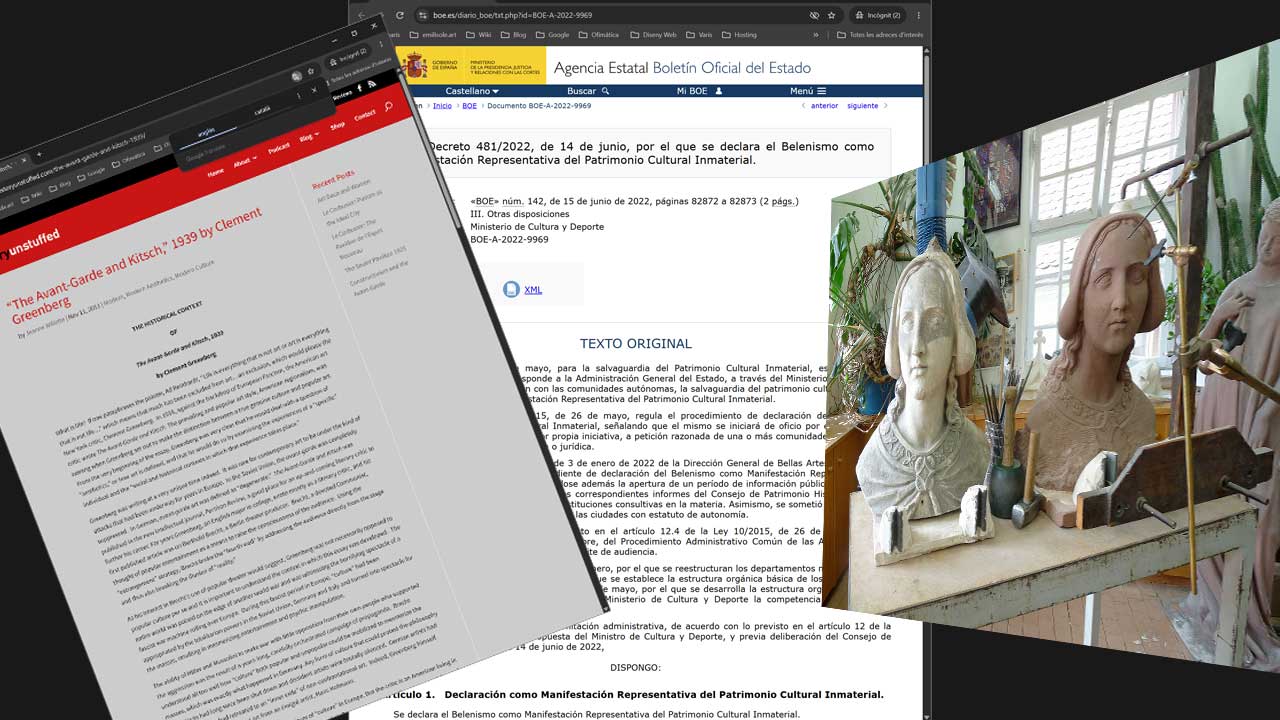
The Spanish royal decree that declares nativity-scene art and practice intangible heritage, and its technical report, read against the Manual's definition.
How ordinary people entered the scene of the Nativity, and what follows for whoever composes a nativity scene.
