
 ≈ 2 min

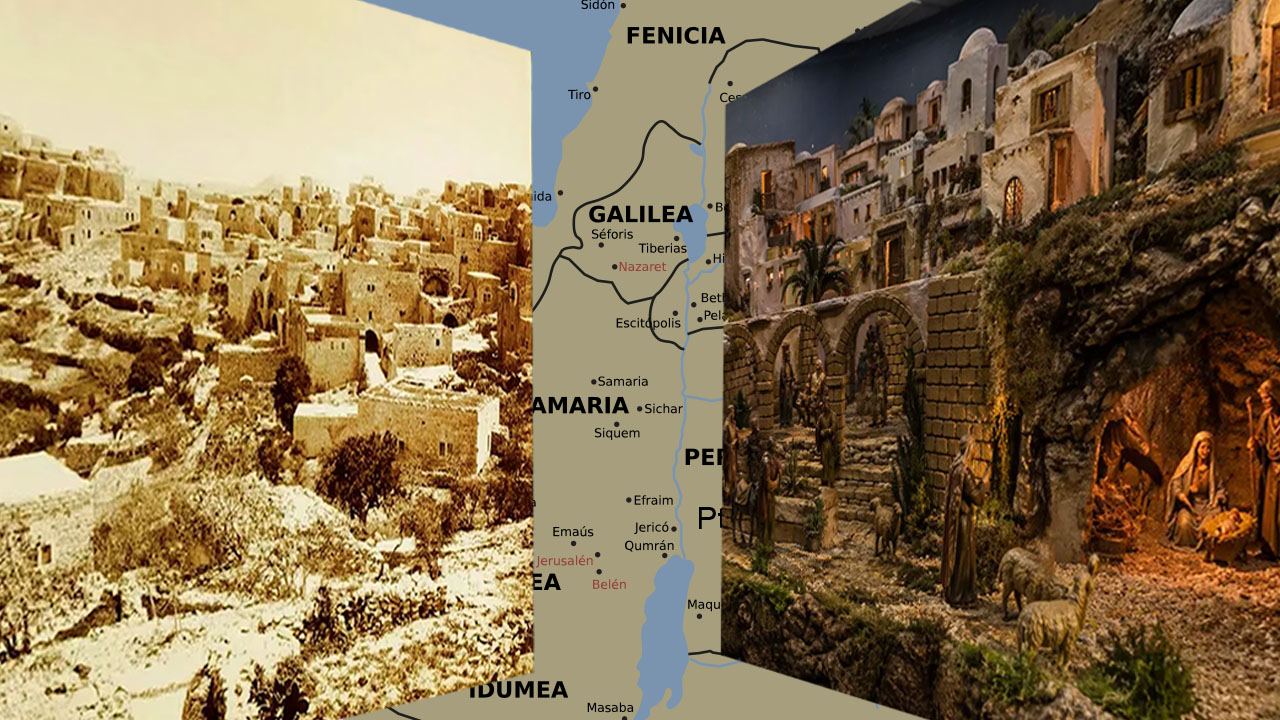
What if your nativity scene also told the truth of its time?
Searching for the biblical nativity scene demands more than adopting an ancient appearance. It demands going back to the narrative, recognising the world in which it takes place and distinguishing honestly between what we know, what we can infer and what remains unknown.
This path brings together ten complementary perspectives. It begins by questioning inherited images, turns documentation into a criterion for composition and ends by opening up the human and narrative map of the Nativity cycle. It can be followed from beginning to end or consulted from any of its articles.
Ten articles · Four stages
The order shows how the research advances. Each card also lets you go straight to the topic you need.
What we mean by a biblical nativity scene and what kind of authenticity it can claim.
What if your nativity scene also told the truth of its time?
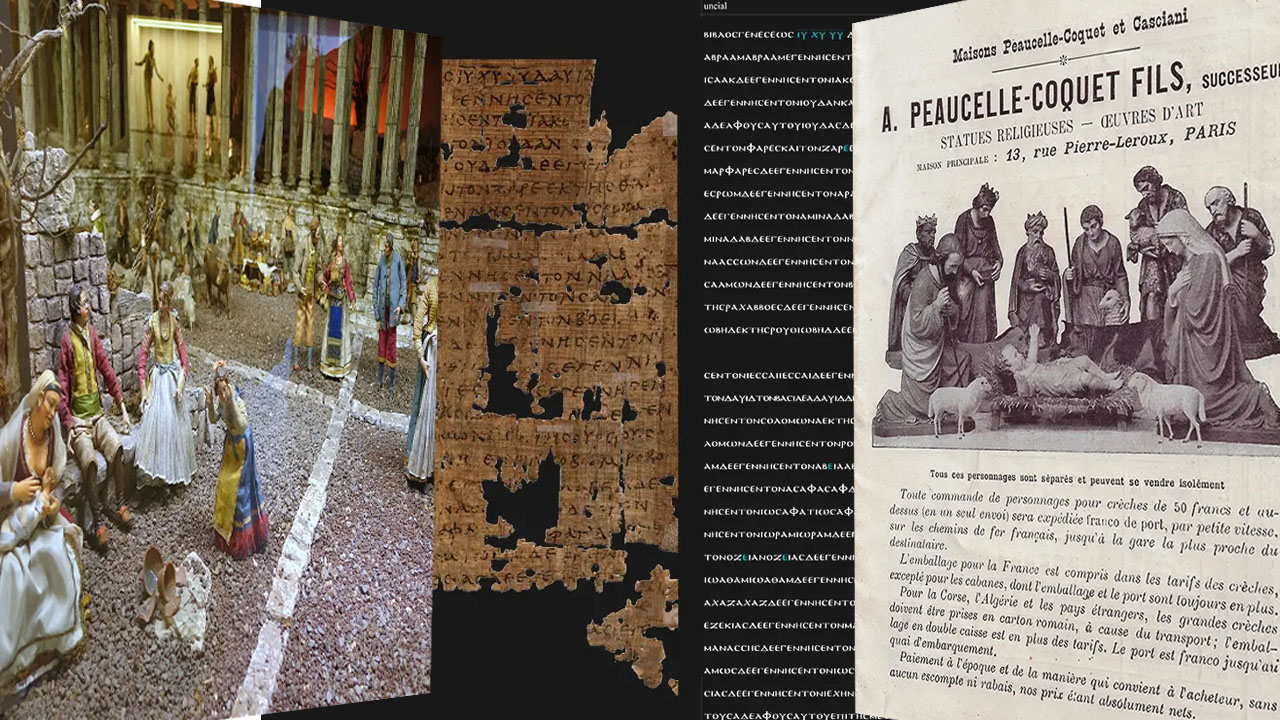
How much is history and how much inherited image in what we call biblical?
Finding, weighing and transforming references without confusing documentation, interpretation and copying.
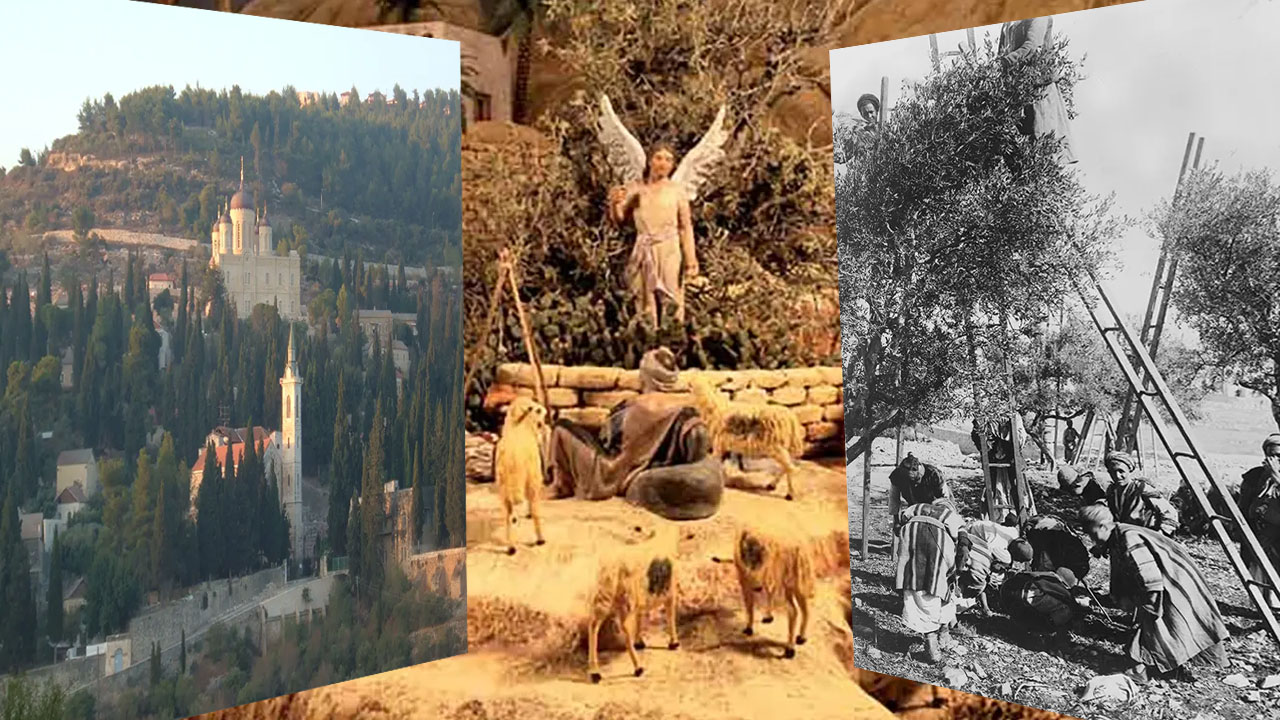
Every scene is born of earlier images, even when we believe we are imagining from scratch.
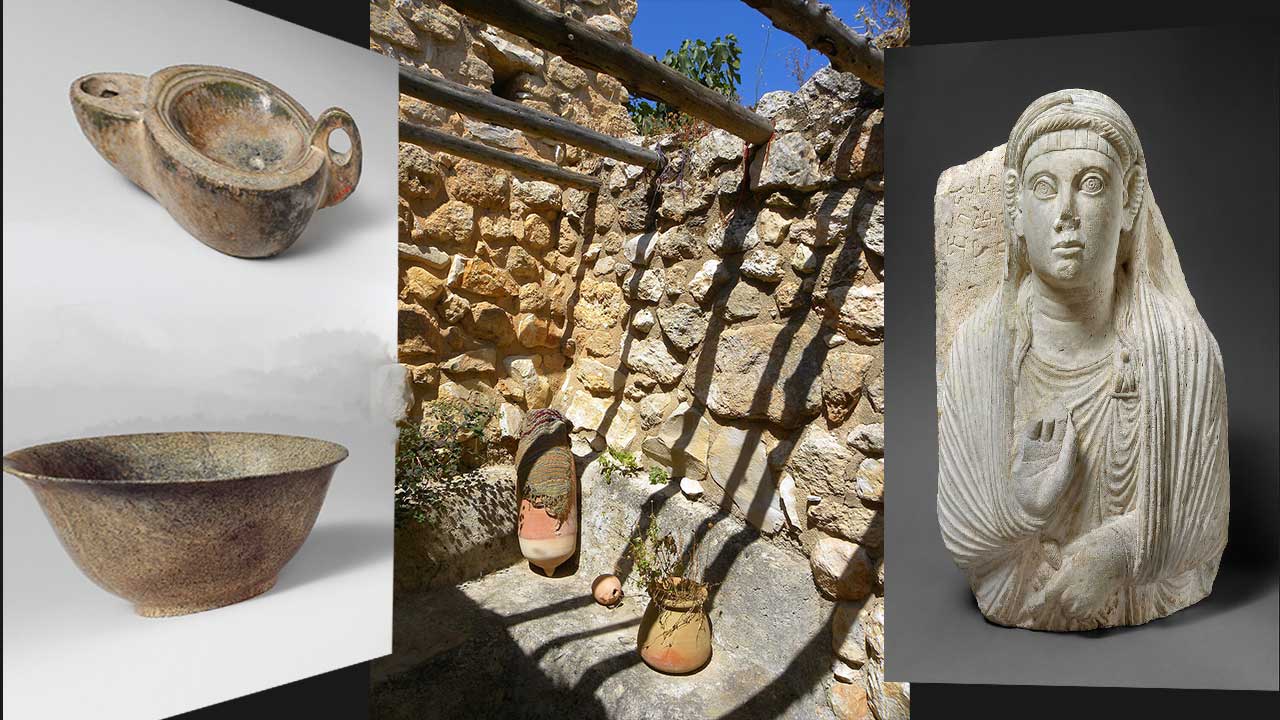
How does a historical fact become a visible decision within the nativity scene?
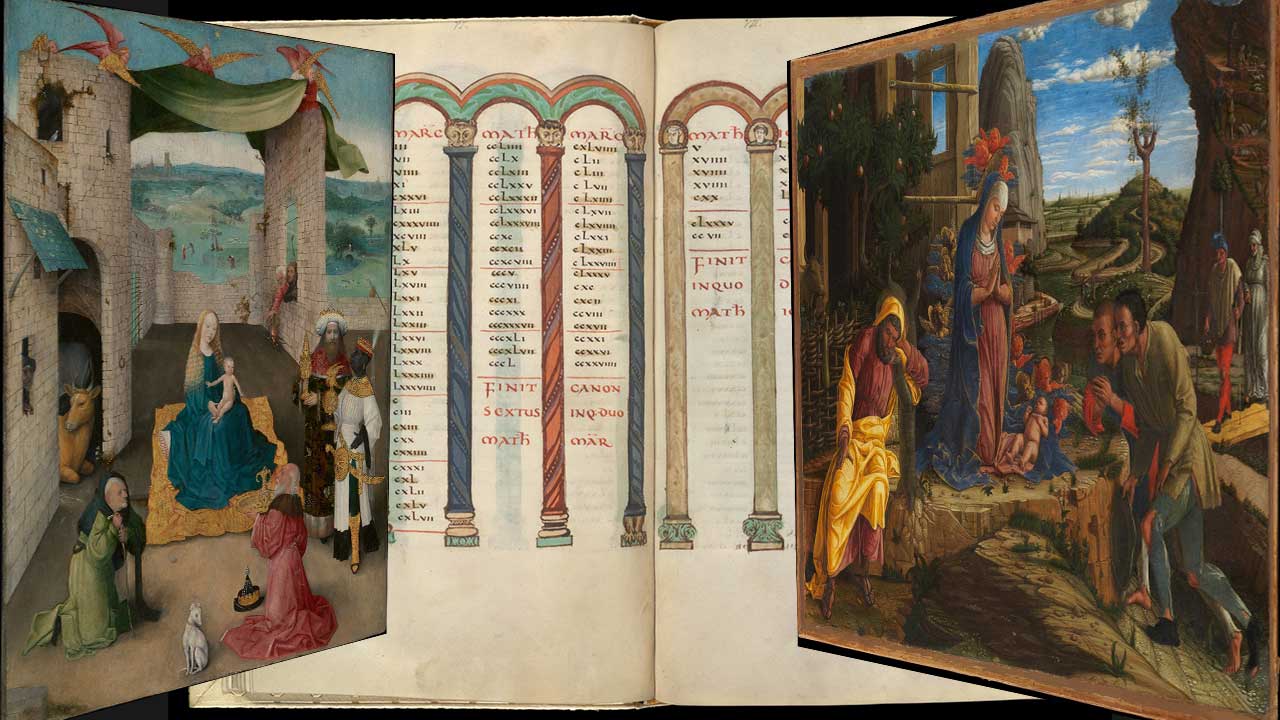
Matthew and Luke do not tell the story in the same way. What changes when it is represented?
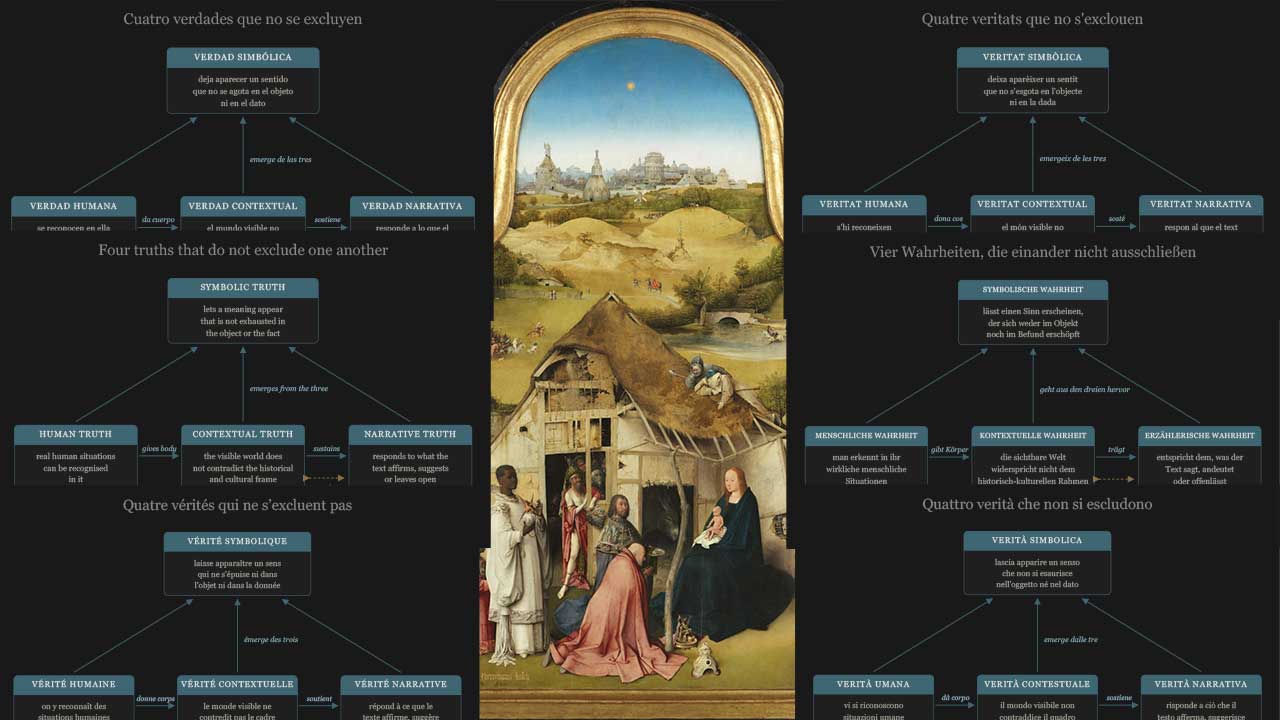
If the past cannot be fully reconstructed, what truth can a work reach?
The time of the scene and first-century Judaea turn context into visible material.
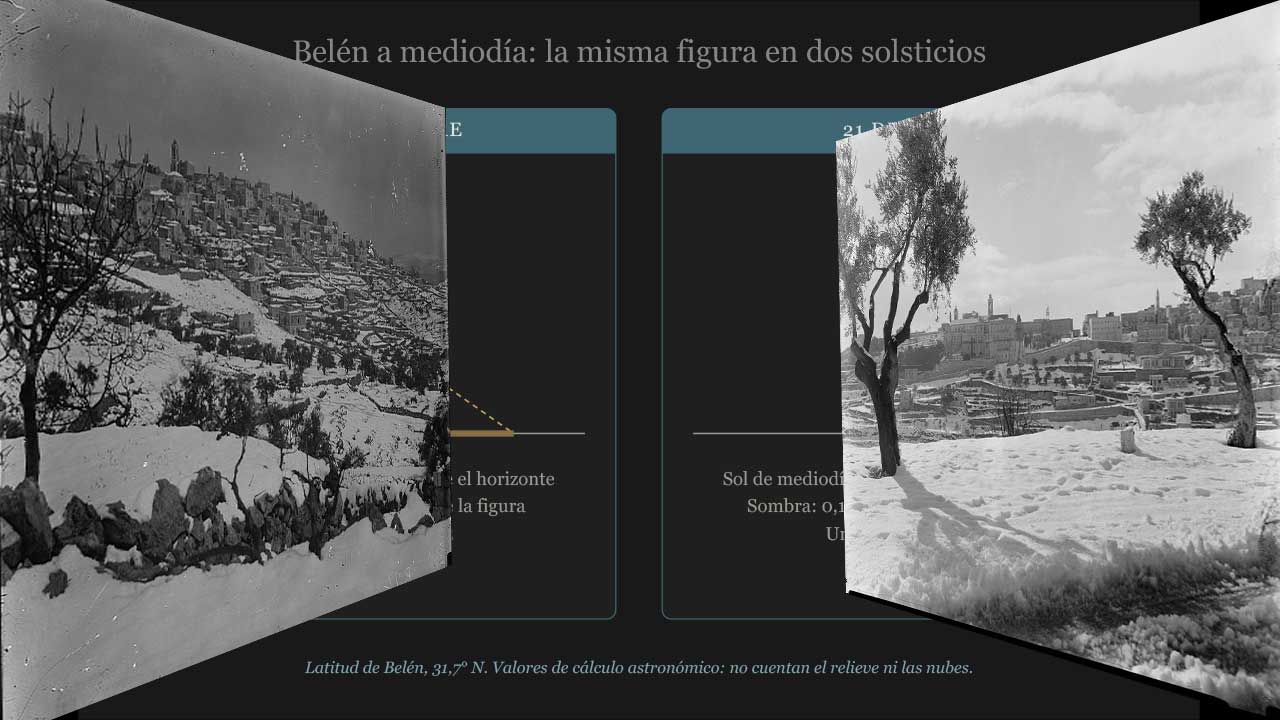
Choosing a date also means choosing a season, a climate and a light.
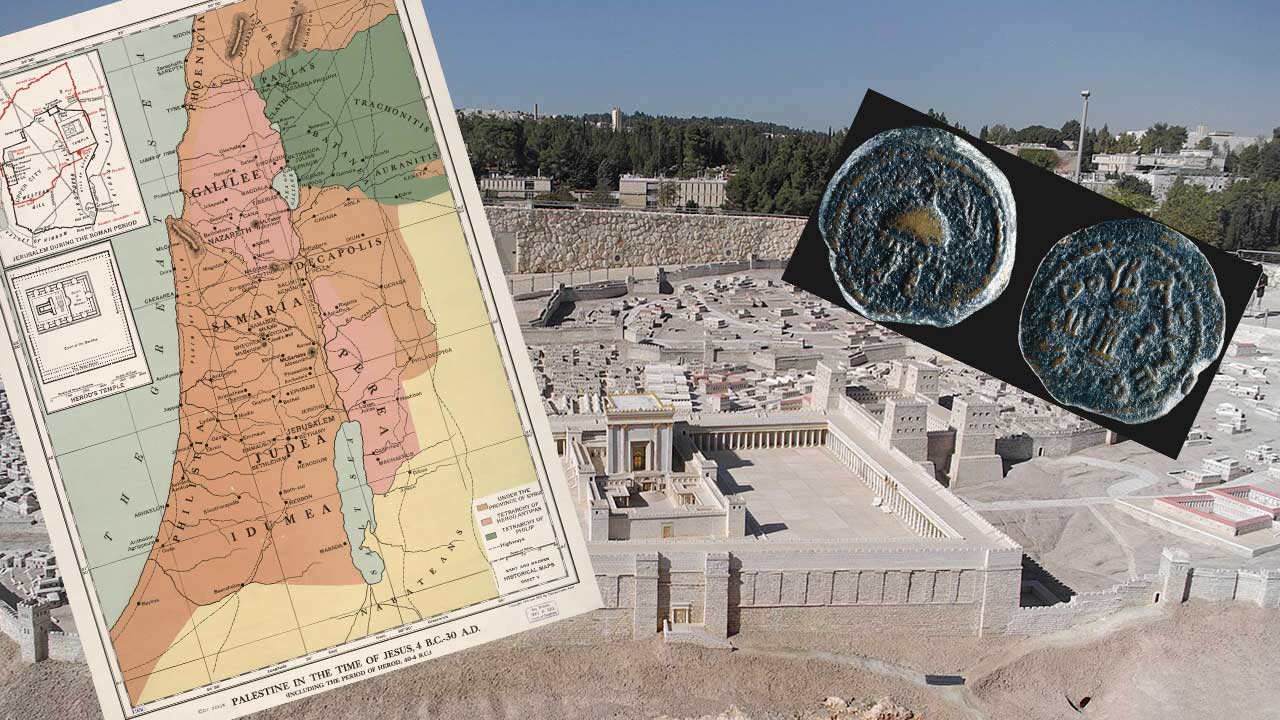
Before imagining the scene, one has to enter the world its protagonists lived in.
The human census and the narrative map prepare the layers the Manual will develop later.
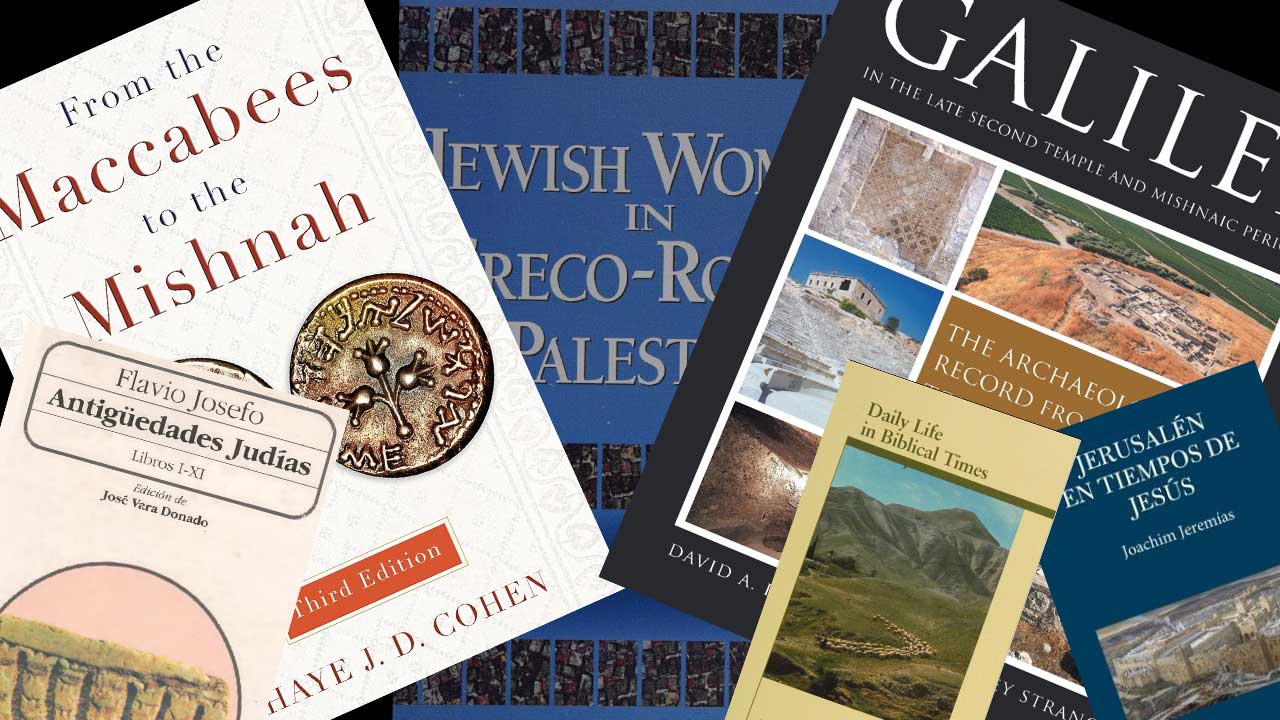
Who really were the people we turn into figures today?
Opens the study of the people
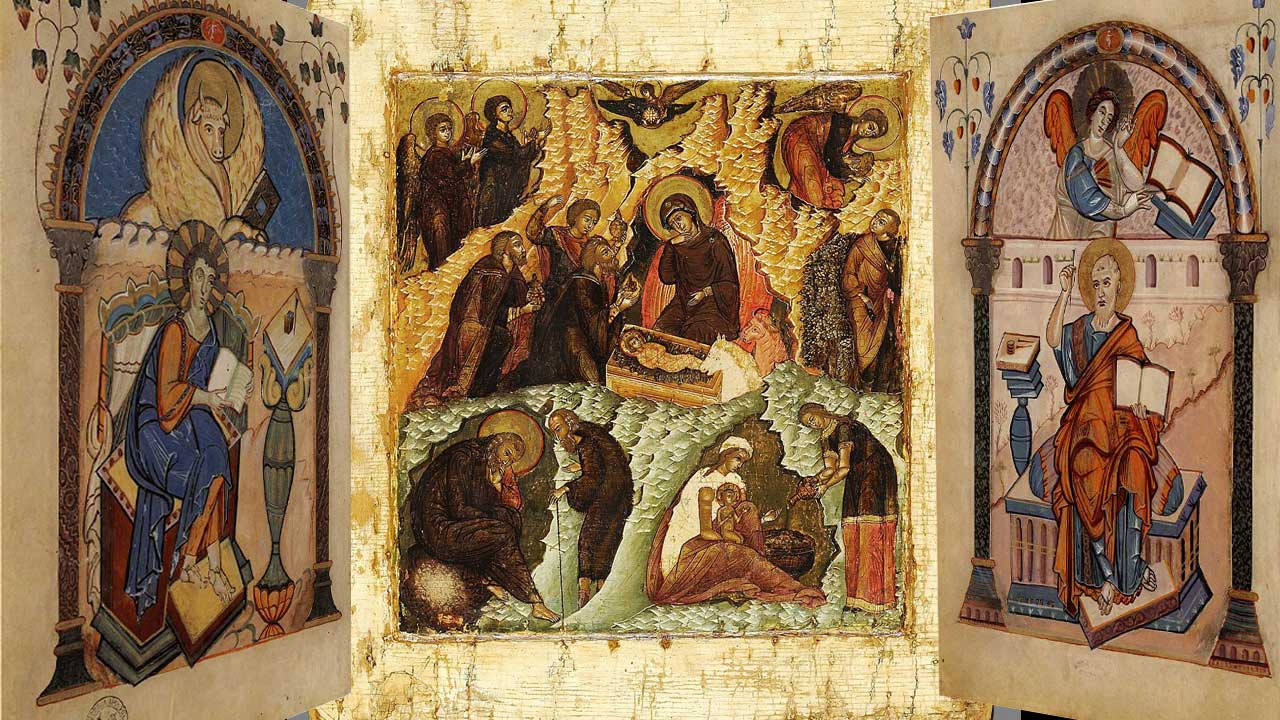
The birth of Jesus is not a single scene: its complete cycle contains 22.
Opens the map of the scenes
