
 ≈ 13 min

An isolated fact does not change a scene.
What changes it is the concrete decision that fact makes possible.
What is the use of research if it does not then transform the scene?
Having asked ourselves what a nativity-scene maker draws on when imagining, we reach the moment when that constituted memory has to do something: pass into form.
For a well-ordered memory does not, on its own, create a scene. It can guide, rule things out, correct, open up possibilities, but as long as it does not truly enter the work of composition, modelling and scenography, it remains inner work with no visible consequence.
This is where the real step begins: when what has been understood no longer lies only in the memory and begins to modify the work.
This is where the fact stops lying in a book, in a find or in a cross-checked image, and begins to affect the space, the light, the volumes, the clothing and the atmosphere of the scene.
This chapter is about precisely that: how a reference — that material which already forms part of the memory from which one imagines— becomes a visible decision.
From knowledge to the scene
Working with references does not mean filling the scene with documented details or turning the nativity scene into a display of erudition. It means something more difficult: allowing what has been understood to transform the way of building.
That step is not always spectacular. Sometimes it comes down to a single correction: a flat roof instead of a pitched one, a lower light, an oil lamp instead of a lantern, a stone manger instead of a wooden one, a more withdrawn posture, a different relationship between inside and outside.
But that is precisely where a great deal is at stake. A scene does not truly change when it accumulates information, but when it begins to sustain another world.
The reference enters the work not as a quotation, but as a criterion
One of the most frequent confusions is to think that applying references means copying exactly what has been found.
And that is not it.
The reference does not enter the work as a literal quotation, but as a criterion that modifies the construction of the scene. It does not always say exactly what has to be done. It often does something more useful: it helps to rule out what is unfitting, to recognise what is plausible, to give density to what was previously only a repeated formula, and to choose more consciously between several possibilities.
Applying references does not mean giving up interpretation. It means interpreting on a better basis.
Four areas where documentation becomes a visible decision
When a reference truly enters the work, the scene does not fill up with data: its internal coherence changes. A sober flat roof tells something different from a pitched one. A low oil lamp creates an atmosphere that an open light does not reproduce. A stone manger does not say the same as a wooden one.
The reference becomes a visible decision above all in four areas.
1. Space and architecture
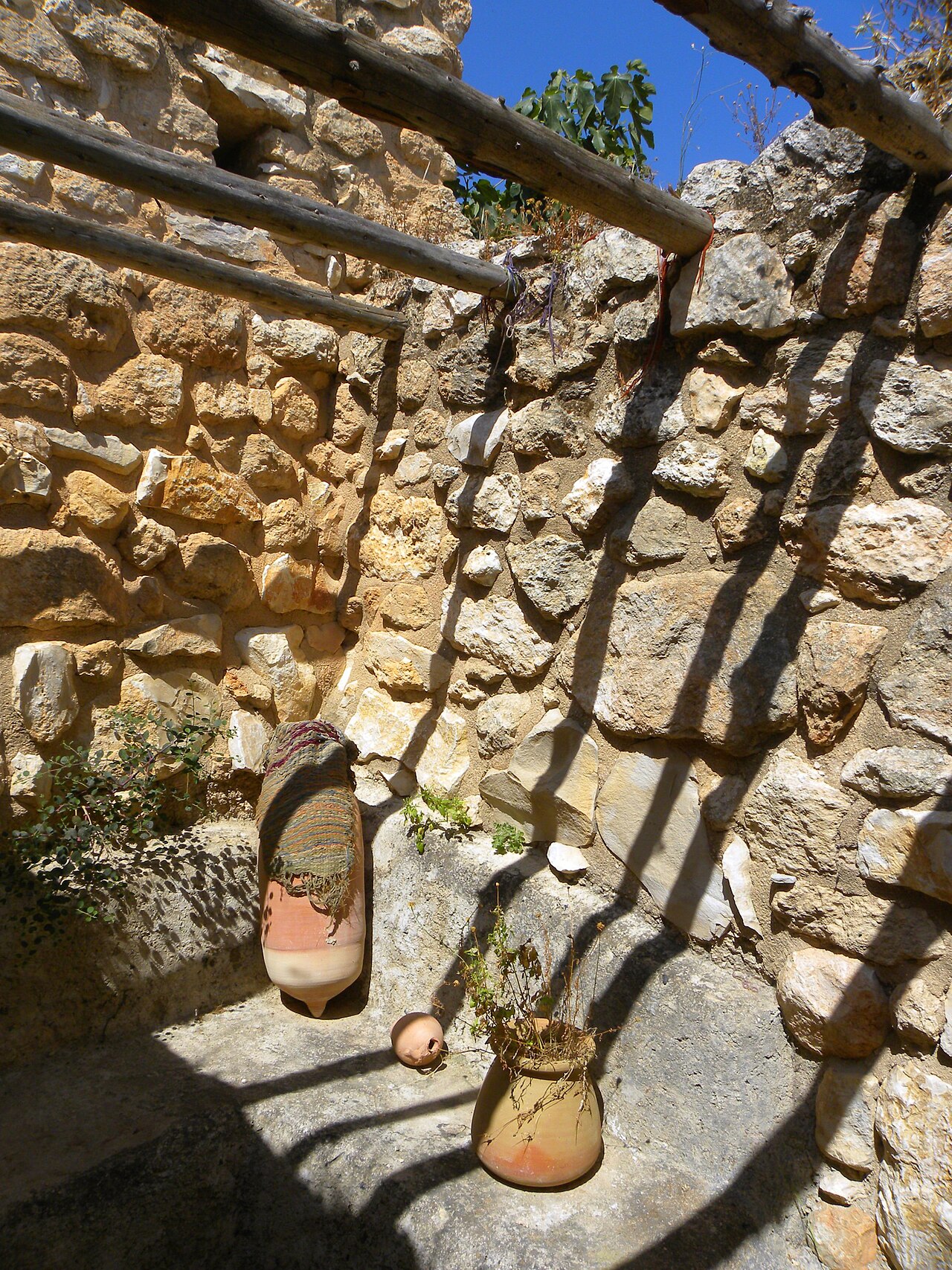
Architecture is not a neutral backdrop. It conditions the reading of the scene.
Nazareth is not Jerusalem. Bethlehem is not an Alpine village. A first-century Jewish dwelling is not a European stable remade with an oriental look. When the space begins to be thought through better, the walls change, as do the entrances, the courtyards, the roofs, the changes of level, the relationship with the rock, the arrangement of animals and people, and the logic of the whole.
It is a matter of deciding whether the space is domestic or partly cut into the rock, how inside and outside relate to each other, what kind of roof is plausible, what role the courtyard or the sheltered area plays, and how the place of the manger fits into the logic of the dwelling.
It is not a matter of reconstructing an excavation. It is a matter of avoiding an architecture that contradicts the world of the scene, and of building a space that truly sustains it.
2. Light and atmosphere
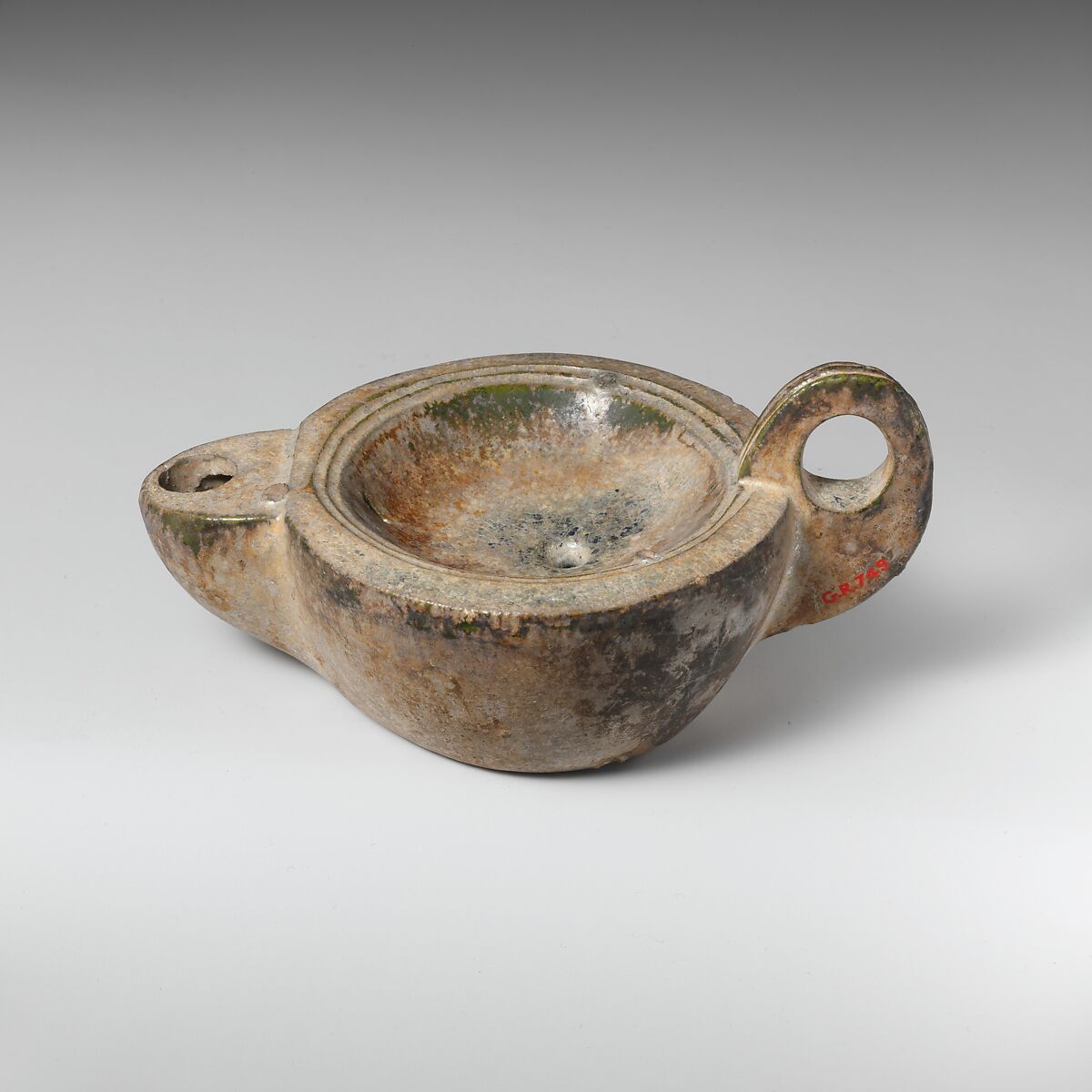
Light is one of the places where it is soonest revealed whether a scene has been thought through or simply lit.
A scene conceived from the oil lamp, from the fire, from a minimal opening or from a pitch-dark night is not the same as a scene bathed in diffuse lighting that answers to no concrete source. A low oil lamp does not produce the same atmosphere as an open, even light.
Documentation leads us to think about where the light comes in, how intense it is, what shadows it casts, what highlights appear on stone, cloth or clay. And with the light comes the climate: if the action is set in winter, the cold, the damp, the need for shelter and the inner withdrawal ought to make themselves felt. If the night is pitch-dark, the lighting cannot behave as if everything were bathed in an abstract brightness.
Light does not only make the scene visible: it also interprets it.
3. Clothing, body and gesture
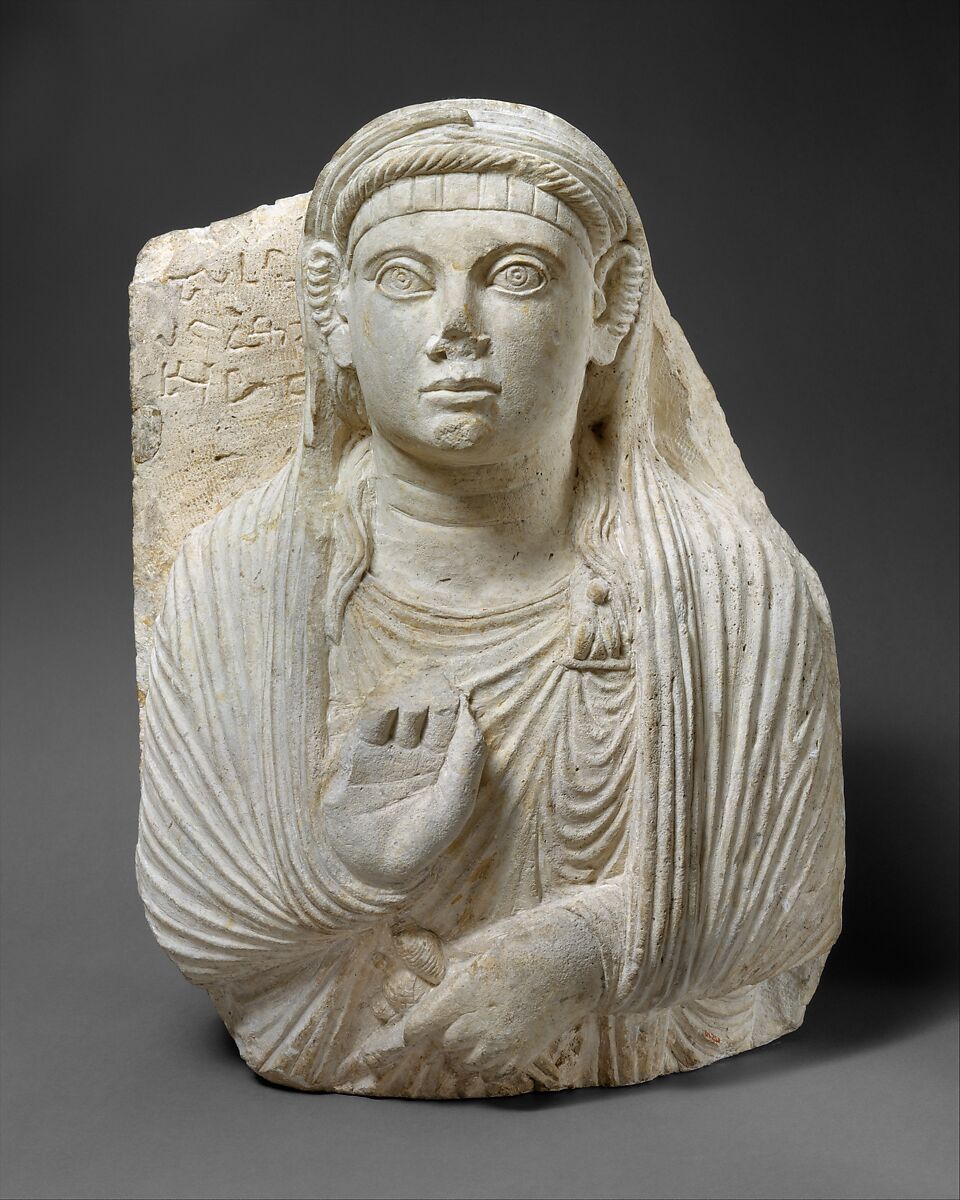
Documentation on garments, fabrics, cloaks, veils, mantles, footwear and climate should not remain in the field of outward accuracy. It affects the way the body presents itself in the scene.
A body wrapped up against the cold does not occupy space in the same way as an idealised one. A woman in recollection does not have the same axis as a theatricalised figure. A shepherd arriving out of the cold does not move in the same way as a figure composed to show off.
When clothing stops being costume and begins to respond to the context, the way of modelling the bodies and of relating them to the space changes too. And with that the relationship between figures and narrative changes: figures are no longer distributed pleasingly; instead, each one responds to what is happening at that moment, to the tension running through the scene, to the coherent gesture, to the silence that weighs.
4. Props, objects and daily life
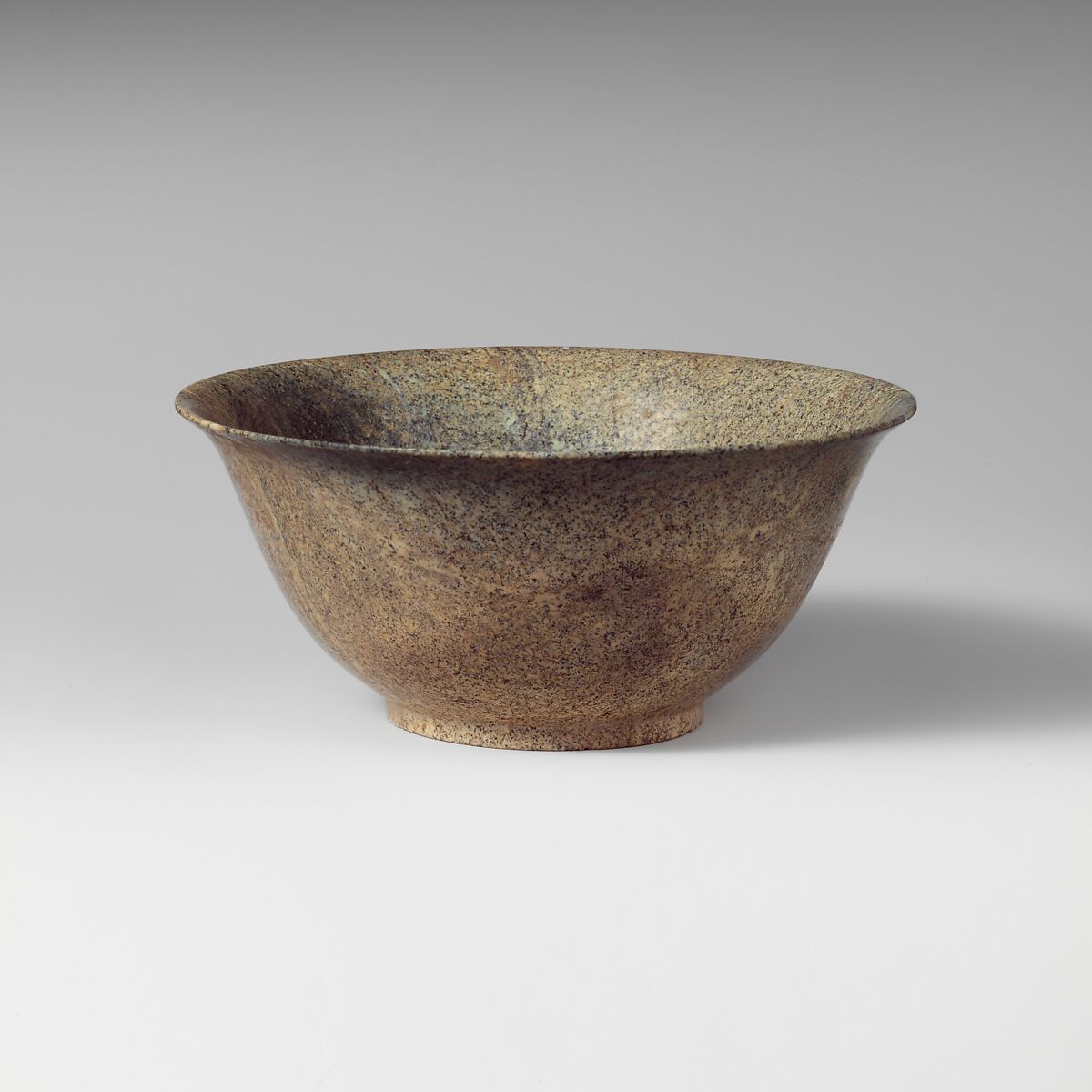
Props are not there to decorate or to fill gaps, but to give the scene the thickness of life. Each object should answer to a logic of use: an oil lamp, a mat, a vessel, a manger.
There is no need to saturate. A few well-chosen elements are enough for the world represented to acquire density. What matters is not abundance, but relevance.
The scene begins to gain truth when the objects stop looking like accessories set in place and come to answer a need, a habit or a concrete way of inhabiting the world.
From fact to decision
Fact understood: the first-century Jewish dwelling does not correspond to the model of the open European stable.
Scenic decision: to conceive the birth from a more coherent domestic or sheltering structure, with a different relationship between shelter, intimacy and the place of the manger.
Fact understood: an oil lamp produces a low, warm, localised light.
Scenic decision: to lower the lighting, concentrate the attention and let the half-light take part in the scene.
Fact understood: in winter, the climate of Judaea obliges us to think of shelter, withdrawal and damp.
Scenic decision: to adjust clothing, posture, ground texture, palette and ambience.
Fact understood: the Gospel narrative does not describe a spectacle, but a scene of vulnerability and sobriety.
Scenic decision: to remove unnecessary theatricality and give more weight to silence, to closeness and to inner tension.
That is what applying a reference means: not displaying it, but letting it change the work.
Composition, too, has to become more conscious
But a scene is not sustained only by the correctness of each part. It is sustained by the living relationship among all of them.
It is not enough for each element to be correct on its own. The scene has to breathe as a whole.
A composition can be full of documented details and yet tell nothing. Or it can be very sober and still convey forcefully the truth of the moment.
Here the reference does not replace composition, but it does guide it. It helps to decide what occupies the centre and what does not, which spatial relationships make sense, where it is best to leave emptiness, which direction the gaze takes and what narrative tension sustains the scene.
Applying a reference well means, among other things, knowing when a fact should become visible and when it is enough for it to sustain the scene without being displayed.
The opposite risk, and the freedom that remains
When someone begins to document their work, they sometimes feel the temptation to turn each scene into a sum of checks. As if artistic truth depended on leaving no gap, no doubt, no freedom. But a work is not born of obsessive vigilance, but of a living understanding.
Documentation should not petrify creation: it should refine it. Not smother the scene under the weight of correctness, but help make each choice less arbitrary.
That is why the nativity-scene maker is still an artist. They still have to interpret, choose, simplify, suggest. They still have to give shape, not merely apply data. But that freedom can be exercised differently when it no longer arises from custom or from inherited taste, but from a more conscious relationship with the narrative and with the world that sustains it.
What disappears when documentation enters the work is not freedom: it is unconscious arbitrariness.
Before going on
Applying references transforms the space, the light, the clothing, the objects and the composition. But a scene is not built only from its material context. It also arises from the narrative that guides it.
That is why, before applying references to each detail, it is worth pausing over the text itself: over what it states, what it suggests and what it leaves unsaid.
References
- ↑ [1] Scott, I. (2011). Interior courtyard in a multi-generational house [photograph of a contemporary reconstruction at Nazareth Village]. Wikimedia Commons, CC BY-SA 2.0. https://commons.wikimedia.org/wiki/File:Interior_courtyard_in_a_multi-generational_house_(5806638478).jpg
- ↑ [2] Terracotta oil lamp [Roman glazed terracotta oil lamp, 1st century AD]. The Metropolitan Museum of Art, inv. 96.9.226. Public domain. https://www.metmuseum.org/art/collection/search/246270
- ↑ [3] Funerary relief [limestone funerary relief, Palmyra, c. AD 50–150]. The Metropolitan Museum of Art, inv. 01.25.1. Public domain. https://www.metmuseum.org/art/collection/search/322367
- ↑ [4] Stone bowl [Roman granite bowl, 1st century BC–1st century AD]. The Metropolitan Museum of Art, inv. 1995.83. Public domain. https://www.metmuseum.org/art/collection/search/256212
