
 ≈ 3 min
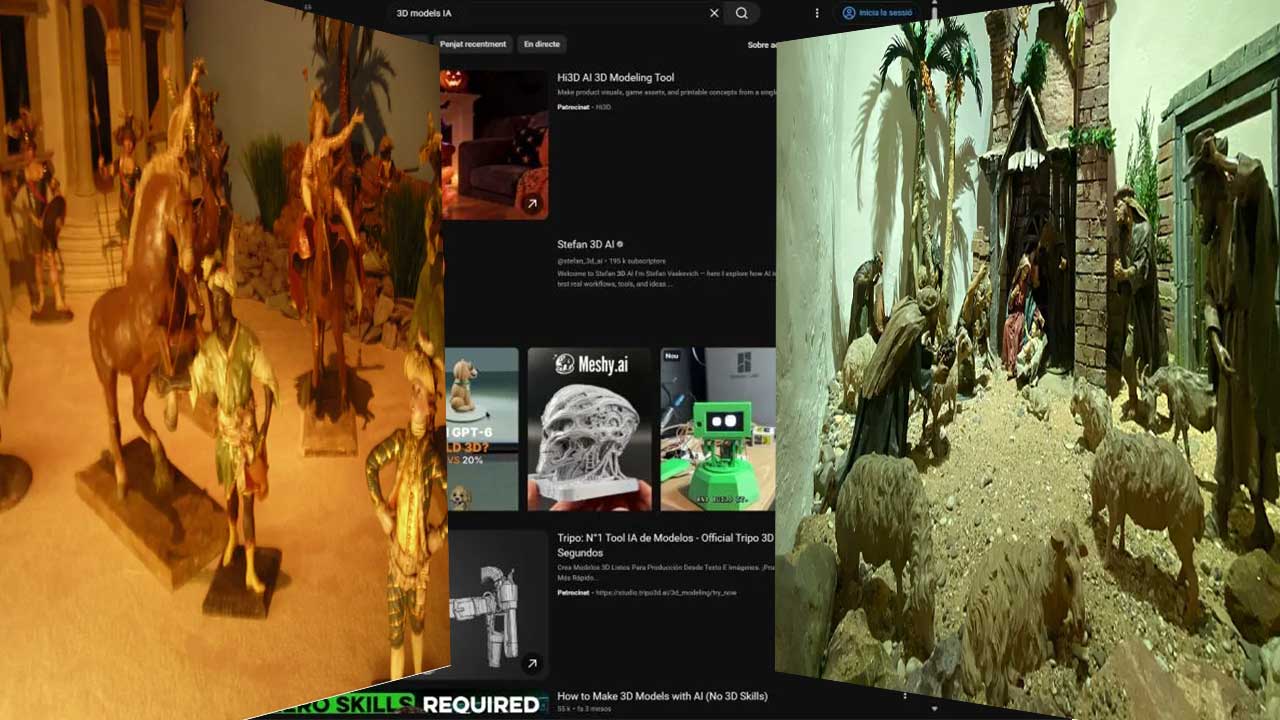
The trade of the person who conceives and models the figure, and the only one in the nativity-scene world whose name changes depending on who is speaking.
Many people take part in a nativity scene, and almost none of them is called by what they do. The person who conceives and models the figure is called a sculptor, a craftsman, a figure-maker or an artist, depending on who is speaking; the person who reproduces it, sometimes the same; the person who composes the scene, a nativity-scene maker, which is also the name of the person who looks at it. This block names each role for what it is, not by habit, with what each one does and with what the law says about each one.
A single question runs through it from beginning to end: who decided the form of this figure? Until recently the answer was taken for granted. Today a form can come out of a generator, a library of bodies or a file shop without anyone having decided it, and the question distinguishes a sculpture —a form that a person conceived and made with their craft— from a form produced by an artificial intelligence from a sentence or an image, in which whoever wrote the sentence decided the sentence, and the form was decided by no one, because the artificial intelligence draws it from the average of millions of other people’s images, and the same sentence written ten times gives ten different figures.
Five articles · Three stages
The order follows the life of the figure: who makes it and what they are called, what the law recognises, who decides the form, what happens when no one decides it, and what is left for the sculptor.
The sculptor and what that name means in the discipline; then what the law recognises, and for whom, in the six countries of the Manual.
The trade of the person who conceives and models the figure, and the only one in the nativity-scene world whose name changes depending on who is speaking.
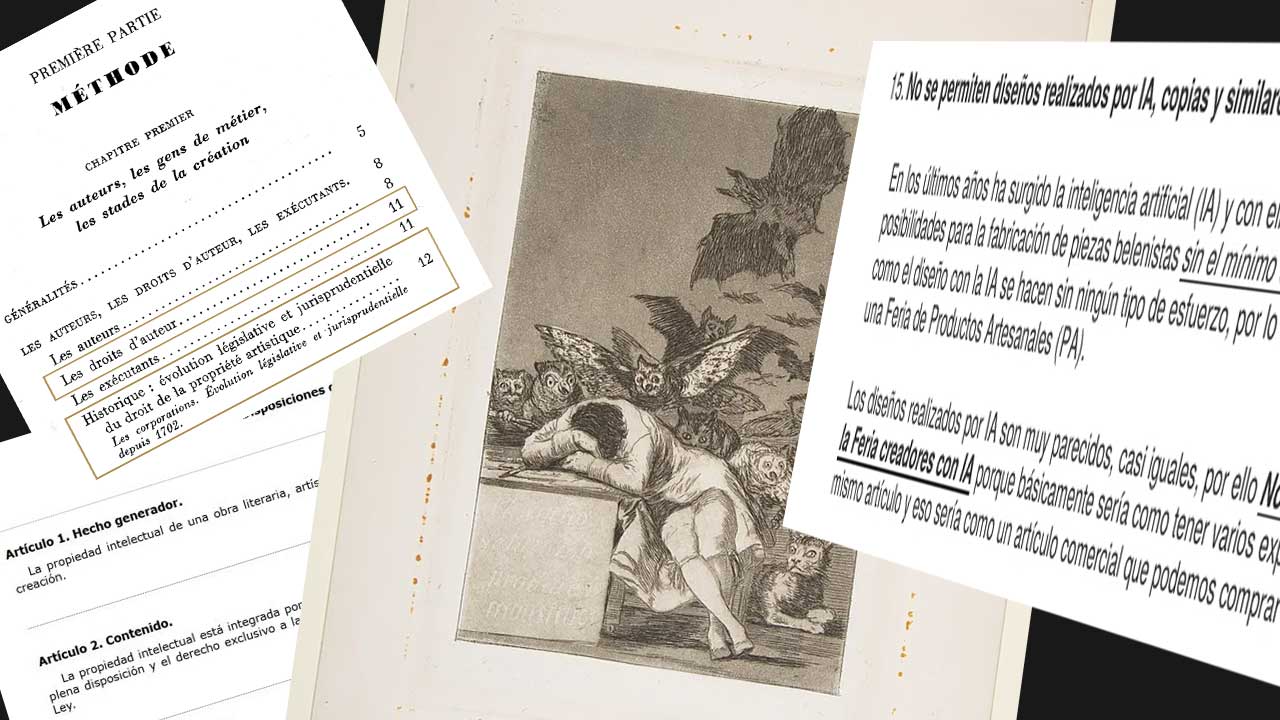
The same question —who is the author— put to the law: what it protects, whom it protects, and what the laws of six countries say about it.
Conceiving and modelling when they are separated, how it is proved who conceived, and the forms that have no author: inherited, taken from reality, generated, assembled.
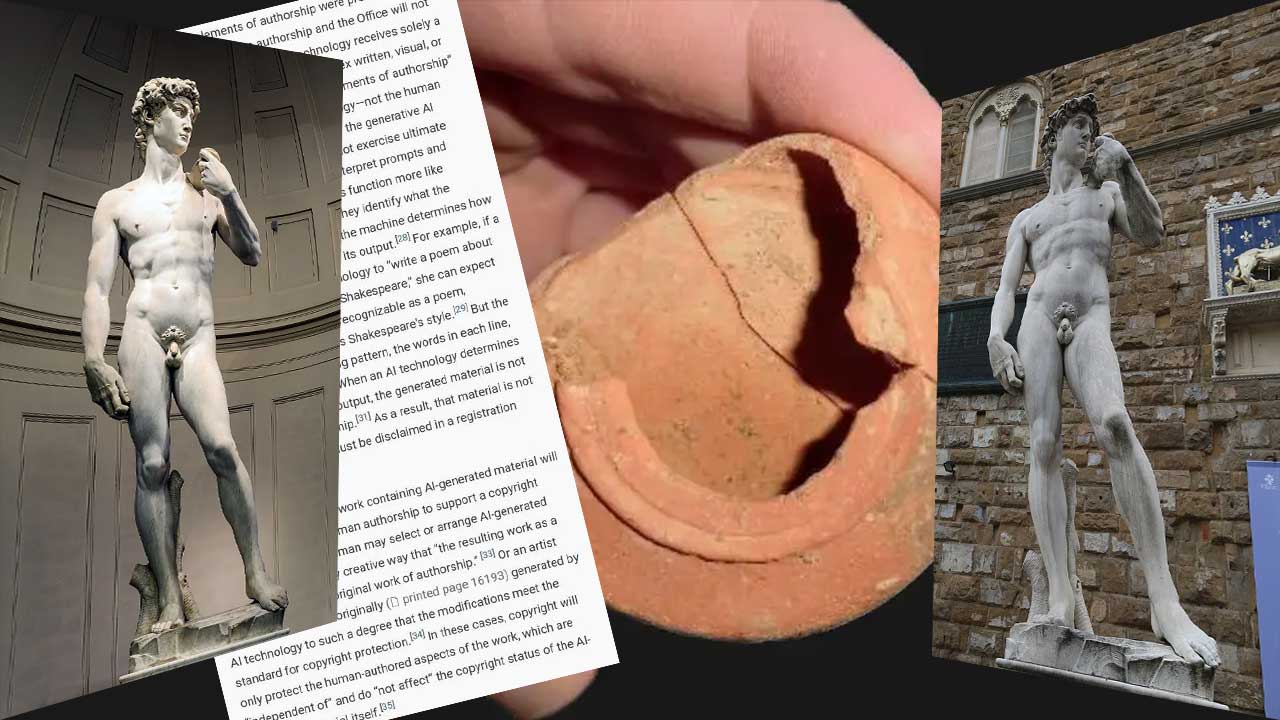
When a figure passes through several hands, what each of them is in relation to it: author, executant or craftsman, according to who conceived the form.
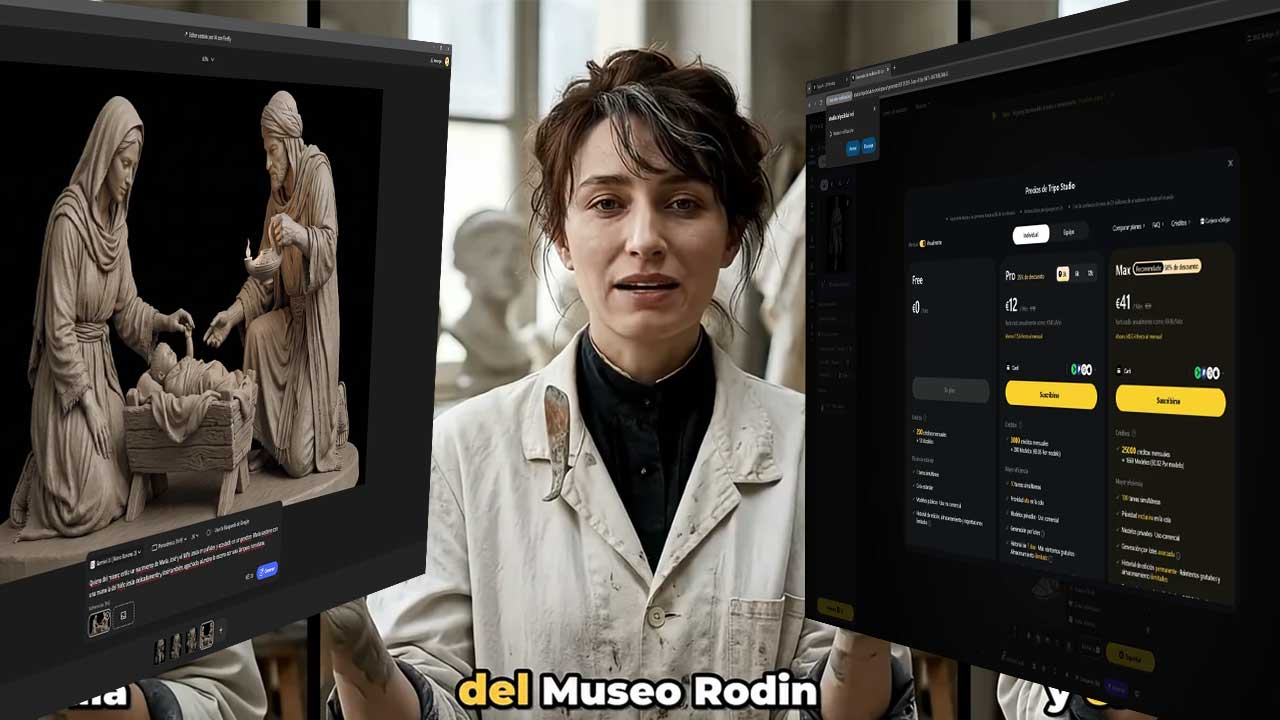
The third answer: forms without an author the law would recognise — inherited, taken from reality, generated, composed — and what they have changed for nativity scene art.
The eleven ways out open to the sculptor of nativity figures in the face of a form that costs nothing, one by one.
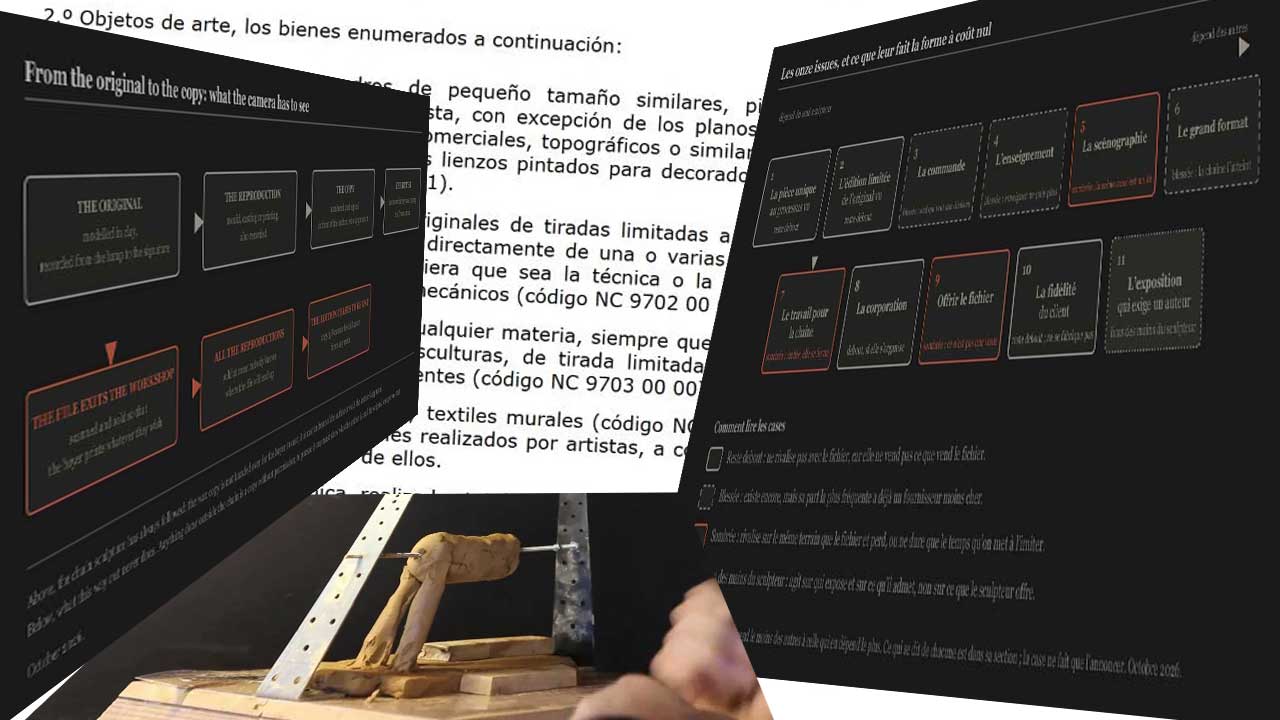
The eleven ways out for the sculptor of nativity figures when form stops being scarce, and what the zero-cost form does to each of them.
