
 ≈ 2 min
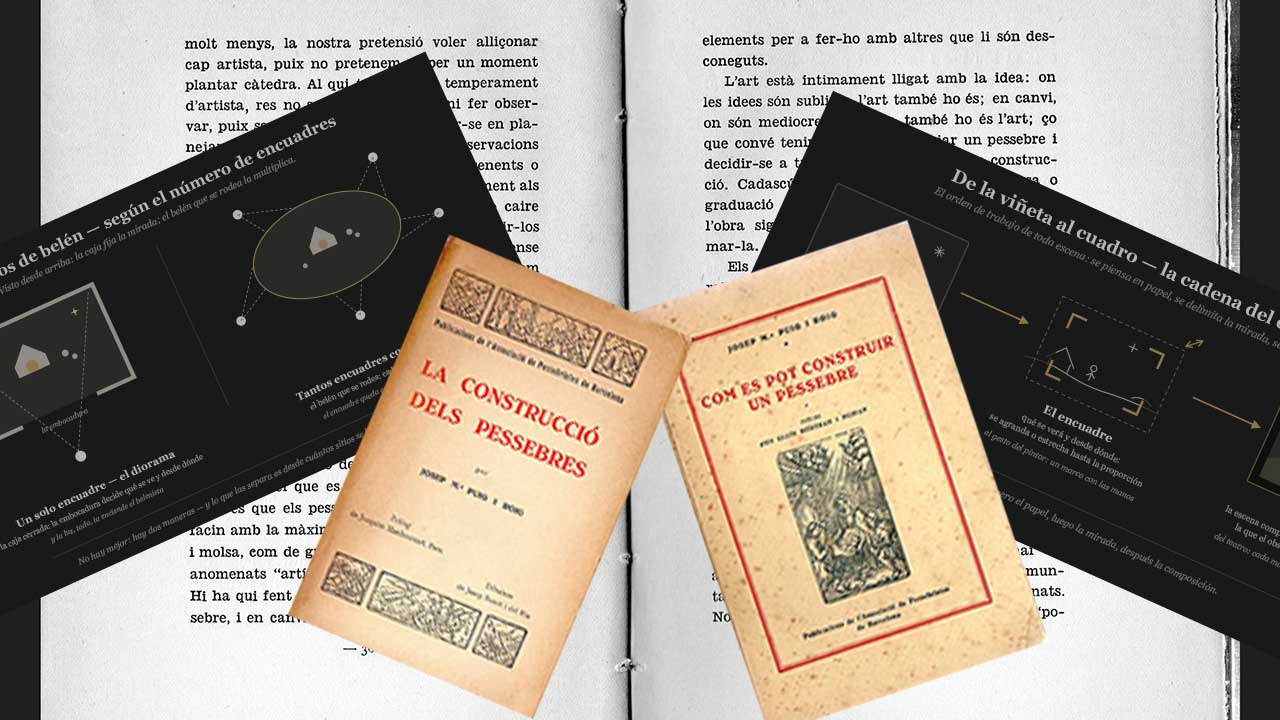
Before the first figure is placed, it has already been decided who controls the gaze and what the scene can tell.
Before the first figure is placed, a decision has already been taken:
where the scene can be looked at from.
This section begins with framing and moves towards a broader question: what turns the inherited arrangement of a nativity scene into a composed work. Over five chapters it examines classifications that have been repeated, goes back to their sources and distinguishes between tradition, format and artistic value.
The path forms an ordered arc, but each chapter keeps its meaning on its own. It can be read from the beginning or consulted from a specific question.
Five articles · Two stages
The path starts from the decisions that build the scene and then revisits the categories with which nativity-scene art and practice has been explained.
Framing and the question of art show that no scene is born before its decisions.
Before the first figure is placed, it has already been decided who controls the gaze and what the scene can tell.
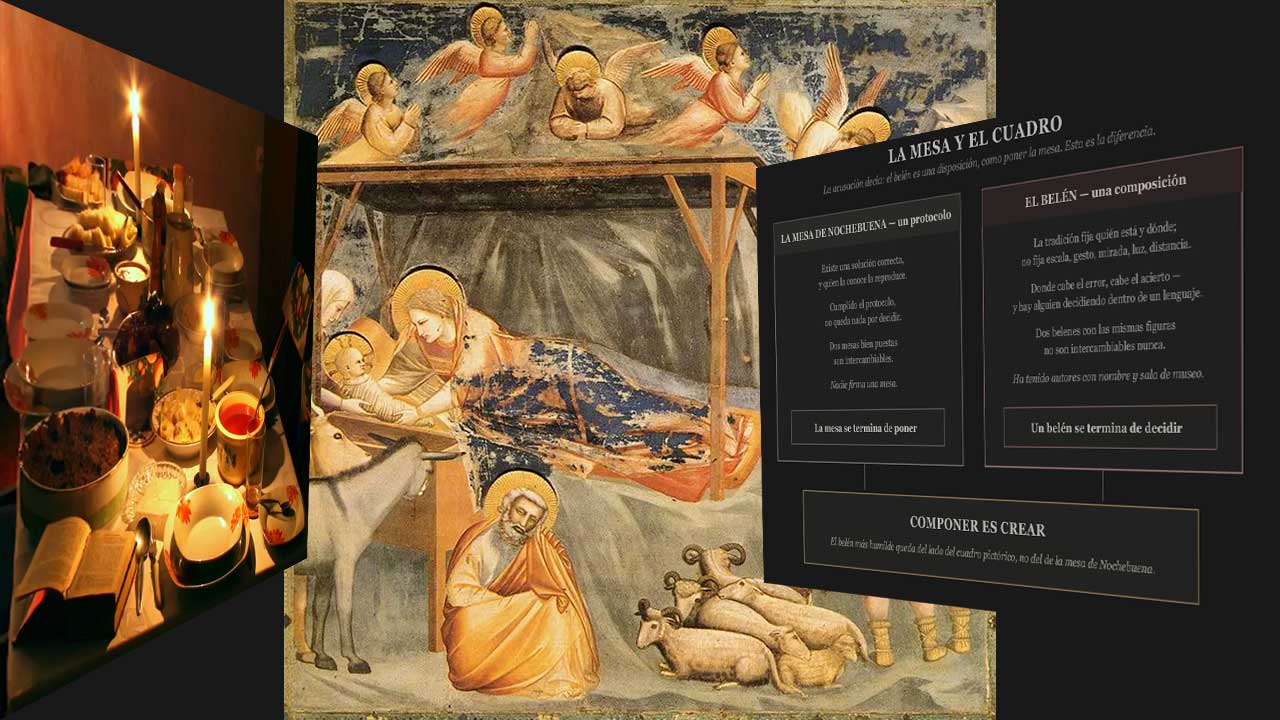
The difference between repeating an order and building a work appears in every decision that can be got right or wrong.
Inherited classifications, their omissions and the ephemeral condition of the setting-up are put to the test.
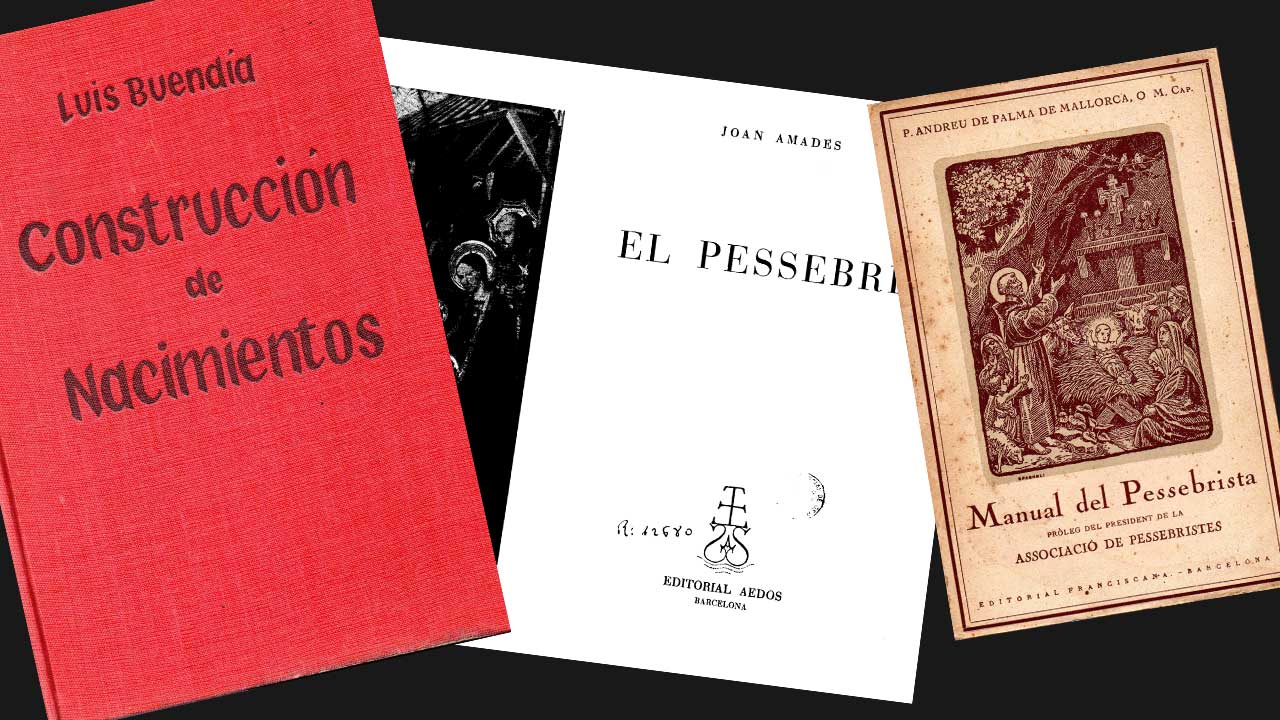
A classification repeated for decades changes when we go back to the books that discussed it.
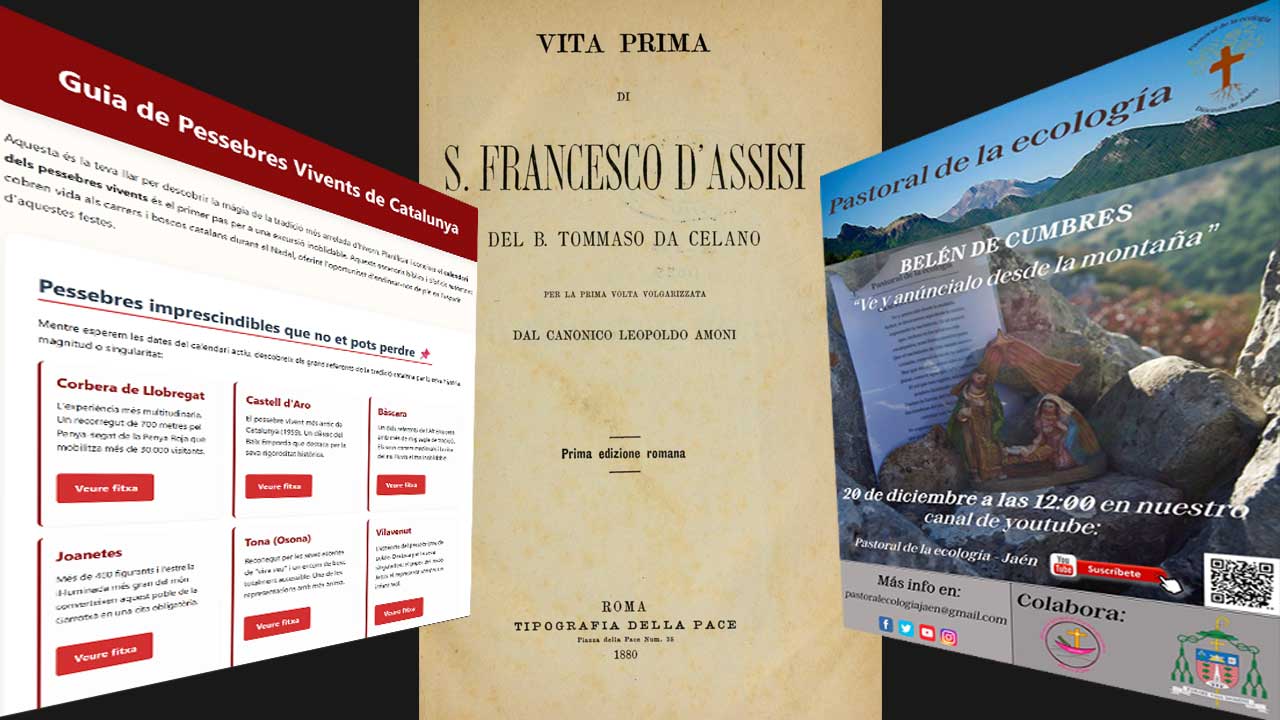
An influential definition left out realities that already existed; following its omissions reveals why.
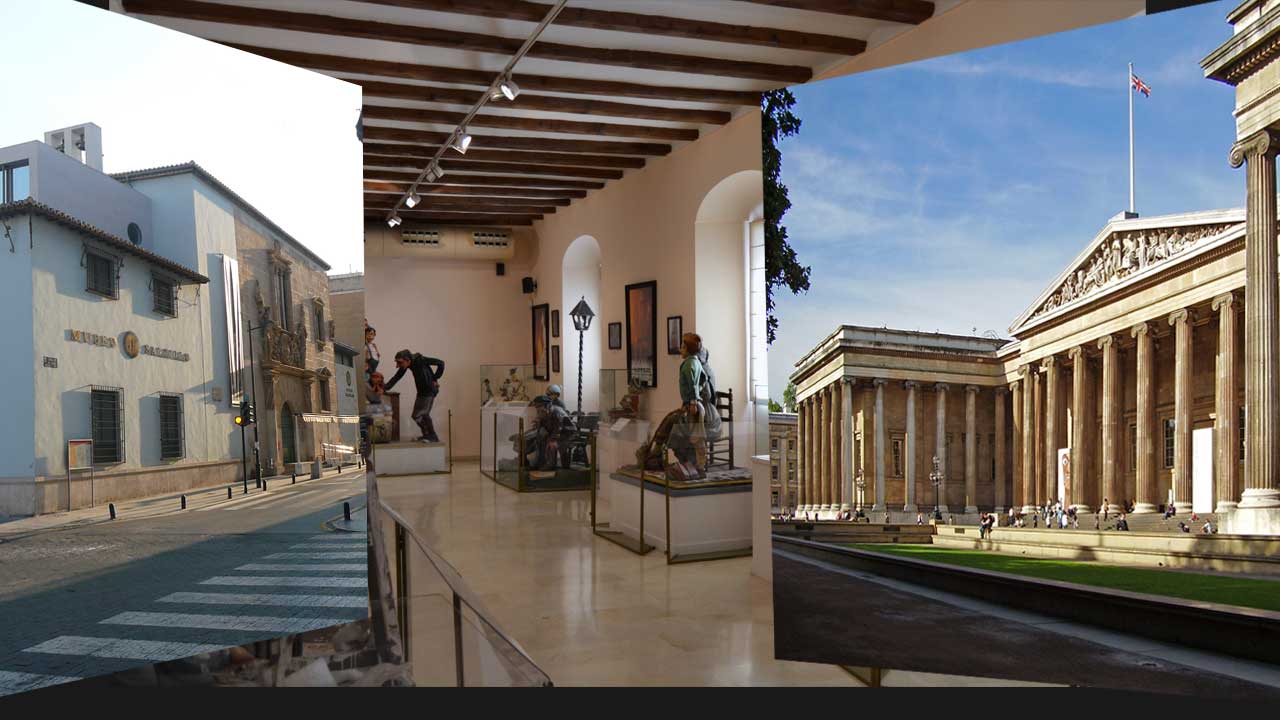
Taking a scene down is not the same as destroying the work: the difference changes our idea of the ephemeral.
