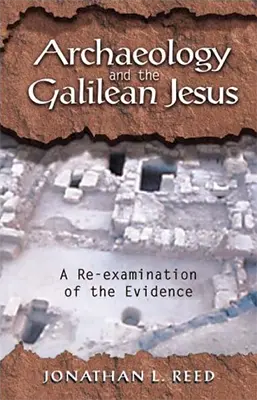
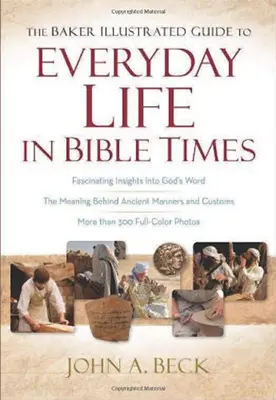
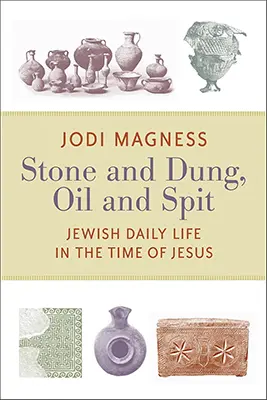
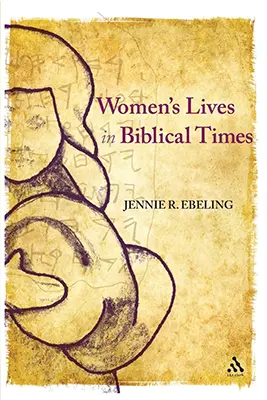
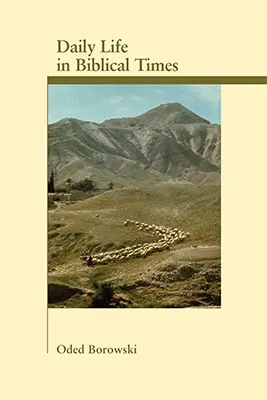
This bibliography brings together verified sources on Galilee and Judea in the time of Jesus. The aim is not to accumulate books indiscriminately, but to select studies that can support a more precise view of the world that the biblical nativity scene sets out to represent.
The works meet, as far as possible, three requirements: a verifiable archaeological, historical or documentary basis; a specific geographical location — Galilee, Judea, Nazareth, Bethlehem, Jerusalem or their surroundings—; and a date close to the late Second Temple period.
Knowing the world before representing it
To understand the biblical nativity scene it is not enough to look only at the final scene. Before representing a house, a road, a garment, a gesture or a relationship between characters, it is worth asking what world we are trying to evoke.
The works gathered here help to place the narratives of Jesus’ infancy within a broader context: the archaeology of Galilee and Judea, everyday life in Second Temple Judaism, material culture, the religious framework, the society of the period and historical research on Jesus.
The aim is not to turn the nativity scene into a closed archaeological reconstruction, nor to replace tradition with an accumulation of data. Documentation must not extinguish creation. It can, however, help us to distinguish between an inherited image, an artistic convention and a reasonable historical possibility.
These books do not offer models to copy, but references to think with. For the nativity-scene maker, that knowledge can transform what is shown, what is avoided, what is suggested and from where the story is interpreted.
A caution about Bethlehem
Bethlehem calls for particular caution. Its symbolic and Gospel significance is enormous, but the archaeological record available for the Herodian period is limited. Excavations in its surroundings have documented early phases of interest, but they do not allow a precise reconstruction of what the village was like at the exact moment of Jesus’ birth.
Archaeological silence does not by itself prove that something did not exist. A small settlement can leave few traces, and continuous occupation can erase or alter the early levels. But that silence obliges us to distinguish between archaeological fact, reasonable comparison, received tradition and artistic interpretation.
The Herodium offers an important material reference for understanding the architecture of Herodian power in the area. But the monumental language of power is one thing, and the ordinary life of a small settlement is quite another.
The most honest course is to rely on the best-documented Judean material culture: excavated villages, known domestic spaces, religious practices, everyday objects, vernacular architecture and comparable archaeological references.
How the catalogue is presented
The selection brings together archaeology, history, theology, anthropology, everyday life, Second Temple Judaism and studies on the historical Jesus. It is an open list that may grow with the Manual.
One does not read in order to turn the nativity scene into an archaeological reconstruction, but so that the imagination works with better materials.
Documented catalogue
Bibliography
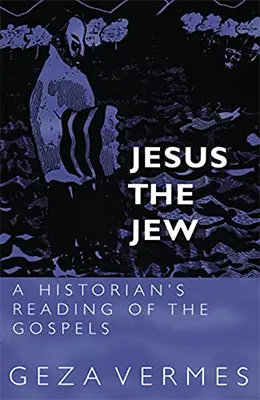
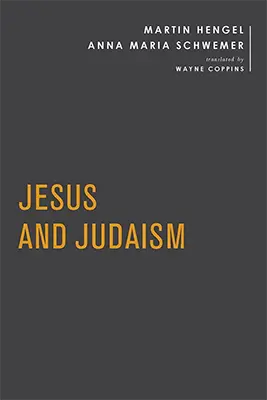
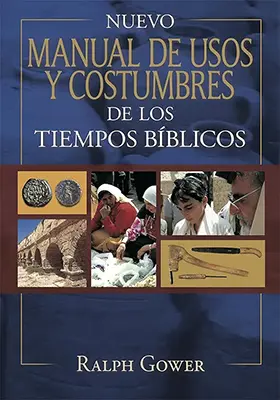
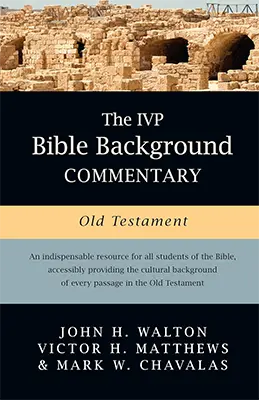
35 references available. Covers are shown when they form part of the documentary archive.
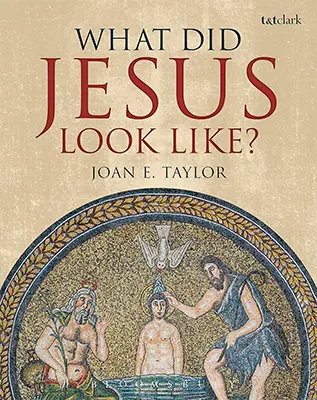
Taylor, Joan E.
What Did Jesus Look Like?
London · Bloomsbury T&T Clark · 2018
ISBN
9780567671509
Pages
288
ArchaeologyMaterial cultureEveryday lifeSecond Temple JudaismHistorical JesusHistory and biblical contextEN
Reading guidance for the Manual
★★★★★Very useful · strong reference work for the Manual
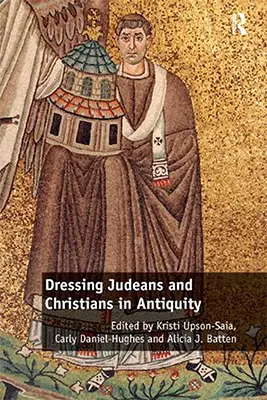
A very useful specialised synthesis for reviewing the inherited image of Jesus and testing it against textual, archaeological and iconographic evidence. It provides criteria for clothing, physical appearance and the limits of the visual tradition.
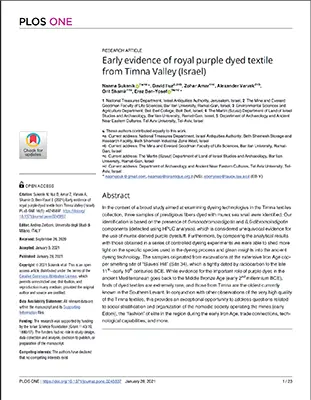
An article with direct material evidence of fibres dyed with murex purple at Timna. It helps to understand the cost, rarity and social value of this dye in biblical clothing.
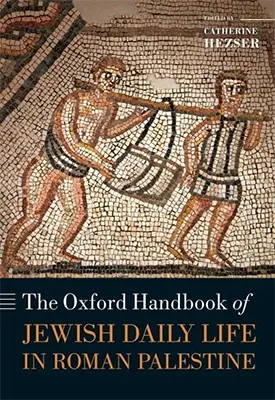
Oxford / New York · Oxford University Press · 2010
ISBN
9780199216437
Pages
362
ArchaeologyMaterial cultureEveryday lifeSecond Temple JudaismHistory and biblical contextEN
Reading guidance for the Manual
★★★★★Very useful · strong reference work for the Manual
A specialised synthesis on clothing in Roman Palestine. It helps to place garments, gender, status, modesty and everyday life, avoiding the image of a uniform “biblical costume” for all the characters.
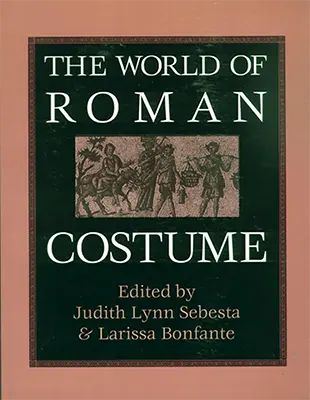
Costume in Roman Palestine: Archaeological Remains and the Evidence from the Mishnah
Madison · University of Wisconsin Press · 1994
Edition
1
ISBN
9780299138509
Pages
272
ArchaeologyMaterial cultureEveryday lifeSecond Temple JudaismHistory and biblical contextLate antique history of the Near EastEN
Reading guidance for the Manual
★★★★★Very useful · strong reference work for the Manual
A synthesis on Jewish clothing in Roman Palestine. It relates archaeological remains and the Mishnah, showing Mediterranean continuity and distinctive markers, with caution when projecting sources later than the 1st century.
ArchaeologyMaterial cultureEveryday lifeArchaeological heritageHistory and biblical contextEN
Reading guidance for the Manual
★★★★★Very useful · strong reference work for the Manual
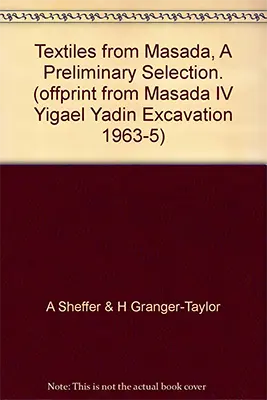
A direct archaeological study of textiles found at Masada. It provides a material basis on fibres, fabrics, dyes and techniques of the 1st-century Jewish-Roman setting, without turning the site into the only model for the whole of Judea.
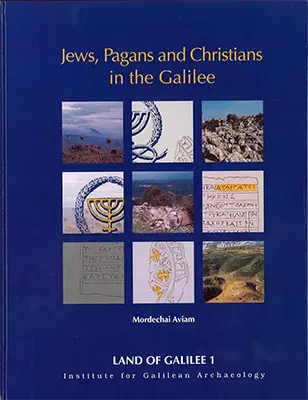
25 years of archaeological excavations and surveys hellenistic to byzantine periods
Rochester, N.Y. · University of Rochester Press. Institute for Galilean Archeology · 2004
ISBN
9781580461719
Pages
344
TheologyArchaeologyMaterial cultureSecond Temple JudaismHistorical JesusHistorical geographyArchaeological heritageHistory and biblical contextEN
Reading guidance for the Manual
★★★★★Very useful · strong reference work for the Manual
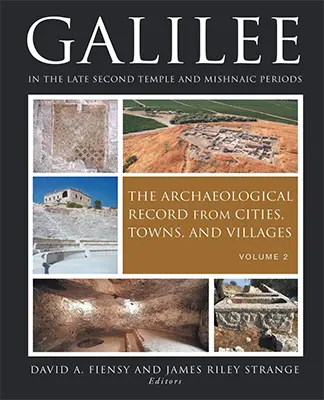
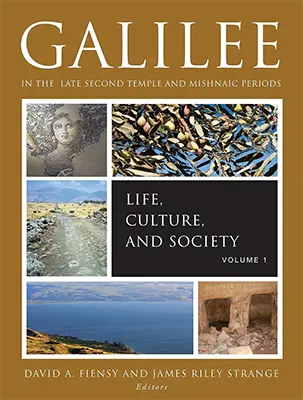
A very useful reference for placing Galilee archaeologically and understanding the Jewish, pagan and Christian presence from the Hellenistic to the Byzantine period.
TheologySecond Temple JudaismHistorical JesusHistory and biblical contextEN
Reading guidance for the Manual
★★★★☆Very useful · specialised support
It can help to place the life of Jesus within Judaism and the religious context of his time, although it should be used as a classic work and with caution.
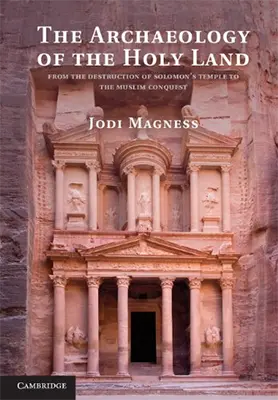
The Archaeology of the Holy Land: From the Destruction of Solomon’s Temple to the Muslim Conquest
Cambridge / New York · Cambridge University Press · 2013
Edition
1st ed.
ISBN
9780521195355
Pages
385
ArchaeologyMaterial cultureSecond Temple JudaismHistorical geographyArchaeological heritageHistory and biblical contextEN
Reading guidance for the Manual
★★★★★Very useful · strong reference work for the Manual
A very useful reference for placing the Holy Land archaeologically, its remains, spaces and material culture from the late biblical period to Late Antiquity.
IconologyTheologySecond Temple JudaismHistorical JesusHistory and biblical context
Reading guidance for the Manual
★★★★★Very useful · strong reference work for the Manual
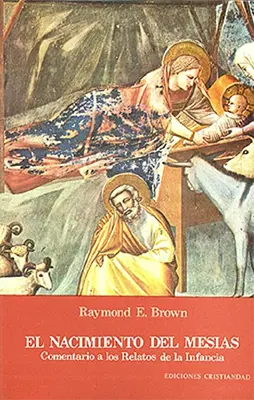
An important reference for guiding the reading of the infancy narratives of Jesus and understanding their biblical, theological and historical meaning.
This site uses a technical cookie to remember your choice. Videos of Emili Solé’s own work are served from emilisole.art: they always play, with nothing for you to allow.
The Manual also cites videos by others, hosted on YouTube. To watch them, your browser must connect to that platform. You may also allow Google Analytics 4 so aggregated data about the pages people visit can help improve the organization and content of the Manual of Nativity-Scene Art and Practice. If you do not allow optional services, you can still read the whole site and watch the site’s own videos; only the cited videos will stay unloaded, and your visit will not be included in the statistics.
You can allow the videos cited from YouTube and Google Analytics 4 statistics separately. Without your permission, neither service will load. The site’s own videos do not depend on this choice. Emili Solé does not use advertising cookies; Google may use some of its own for that purpose, depending on your account settings.
They remember your choice and enable the site’s basic operation.
emilisole_cookie_consent · first-party · 6 months · stores this preference.
Audiovisual content: YouTube
The Manual cites videos by others that are hosted on YouTube. If enabled, your browser will connect to YouTube, which may receive technical data and use its own technologies. Videos of Emili Solé’s own work are served from emilisole.art and do not go through this.
Usage statistics: Google Analytics 4
Provides aggregated information about the pages people visit and how they move through the site. This helps identify which parts of the Manual of Nativity-Scene Art and Practice should be expanded, clarified, or reorganized. Google Analytics may set cookies and receive technical data. It is not used for advertising.

 ≈ 4 min